When you start planning a safari in Uganda, one of the first questions you will probably ask is: When is the best time to visit Uganda?
The short answer is simple – Uganda is a year-round destination.
Located almost directly on the Equator, the country does not experience the four distinct seasons we are used to in Europe. Instead of spring, summer, autumn, and winter, the year is divided into drier and wetter periods. This is one of the reasons why Uganda is such a fascinating safari destination. There is no single short season outside of which travelling becomes less worthwhile. Wildlife can be found throughout the year, and every season has its own unique characteristics.
But that does not mean that the timing of your trip is unimportant.
The dry months offer one kind of experience, while the rainy months bring something quite different. During certain periods, roads are easier to navigate, and wildlife viewing can be more comfortable. At other times, the country becomes beautifully green, there are fewer tourists, and the landscapes are especially breathtaking.
And when you add mountain gorilla and chimpanzee trekking, birdwatching, boat safaris, and hiking to a traditional wildlife safari, choosing the right time to visit becomes even more interesting. So, rather than searching for one single "perfect" month, let's explore what Uganda is like throughout the year and when you should plan your trip based on the experiences you are looking for.
What Is the Climate Like in Uganda?
Uganda is located in East Africa, and the Equator passes directly through the country. Because of this, many people expect intense heat and extremely high temperatures throughout the year. The reality, however, is a little different. Much of Uganda lies at a relatively high altitude, which helps moderate its equatorial climate. In many areas, daytime temperatures are pleasantly warm, typically around 25–27°C (77–81°F), while mornings and evenings can be quite cool. During an early morning safari, you might even be glad you brought a jacket!
In mountainous and forested regions, temperatures can be even lower, especially early in the morning, in the evening, and after rainfall. Of course, the climate is not the same everywhere. Altitude, terrain, proximity to large bodies of water, and local geographical conditions all influence temperatures and rainfall. That is why, during a single journey through Uganda, you may experience quite different weather conditions.
Dry and Rainy Seasons – What Do They Actually Mean?
When talking about the weather in Uganda, you will most often come across a division of the year into two drier and two wetter periods.
The drier months are generally considered to be December to February and June to August.
The wetter months are usually March to May and September to November.
However, there is one very important detail to keep in mind. These seasons do not have exact starting and ending dates. Nature does not look at the calendar on March 1st and suddenly switch on the rain. Rainfall can occur during the dry season, just as you can enjoy several consecutive sunny days during a period that is statistically considered rainy. That is why it is more accurate to talk about drier and wetter months rather than seasons with guaranteed weather conditions.
The Dry Season – Why Is It So Popular for Safaris?
For many travellers, the dry season is their first choice.
And there are good reasons for that. When there is less rainfall, unpaved roads are generally easier to navigate. This is particularly important during a safari, as much of the driving within protected areas takes place on dirt roads. In some areas, vegetation also becomes shorter and less dense, making it easier to spot wildlife. When water is more limited, animals may gather more frequently around permanent water sources, creating excellent opportunities for wildlife viewing.
The drier months are also generally preferred for trekking, as forest trails tend to be less muddy and slippery.
What Is Uganda Like During the Rainy Season?
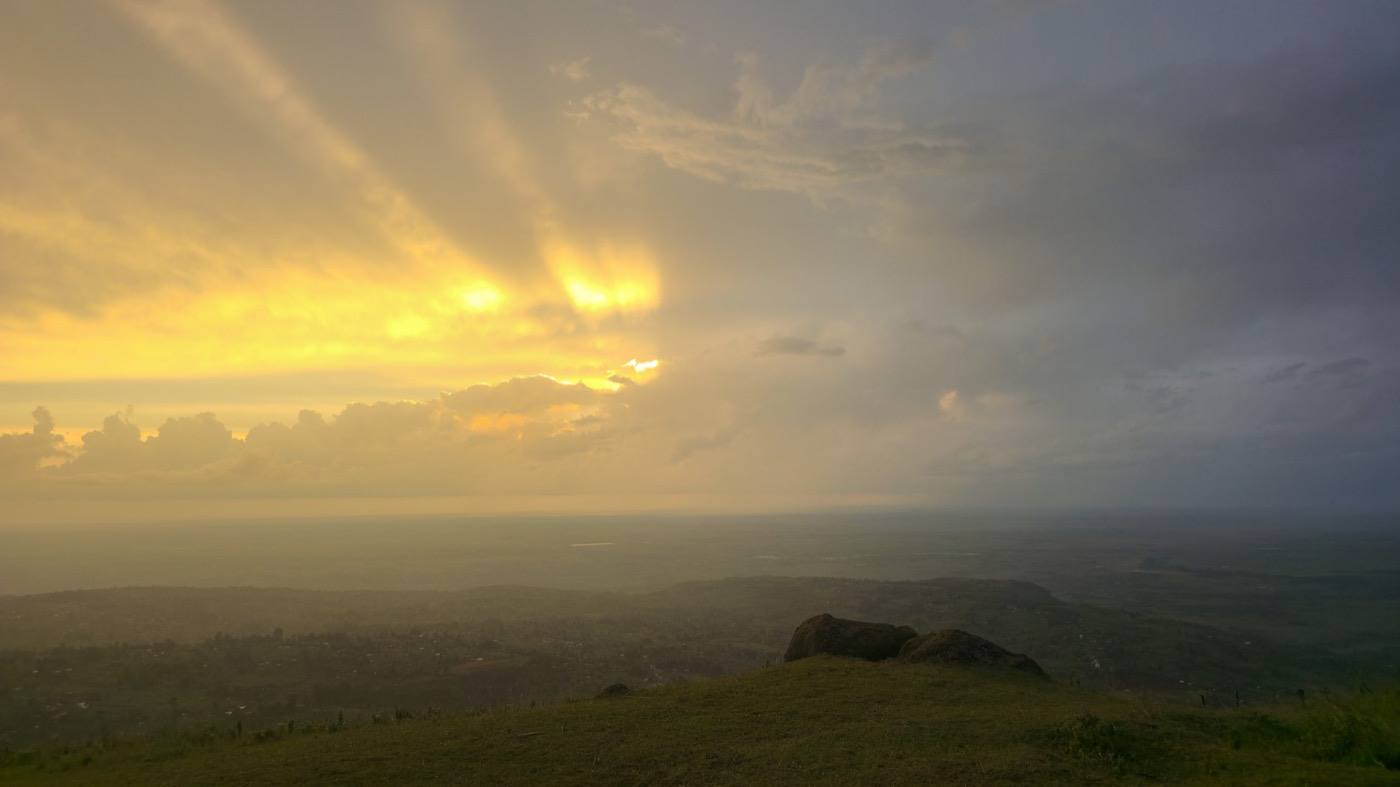
If you have ever looked at photographs of Uganda and wondered why the country is so incredibly green, part of the answer lies in its rainfall. The rainy season has a beauty of its own. The landscapes turn a vibrant green, vegetation becomes lush, and the clouds and changing light can create spectacular conditions for photography. Rain does not necessarily mean that the entire day is ruined. Often, a heavy downpour is followed by sunshine.
However, you should also be prepared for days when nature has other plans. Roads can become muddy. Travelling may sometimes take longer. Forest trails can be slippery. For some travellers, these conditions may be inconvenient. For others, they are simply part of the adventure.
There is another advantage as well – during some of the wetter months, there may be fewer tourists. And sometimes, that can completely change the atmosphere of your journey.
When Is the Best Time for a Safari and Wildlife Viewing?
If your main goal is a traditional wildlife safari and you want the most comfortable conditions possible, December to February and June to August are excellent choices. Less rainfall generally means better driving conditions, while thinner vegetation in certain areas can make wildlife easier to spot.
However, there is one common misconception worth clearing up. There is no particular month when wild animals suddenly "appear" and another when they disappear. They live in the national parks throughout the year. What changes are the conditions, the vegetation, the areas where animals move, and sometimes how easy they are to find. And no one can guarantee exactly what you will see during a particular game drive. This is the wild, not a carefully planned performance. And that is precisely what makes a safari so exciting.
Is There a "Bad" Month for a Safari in Uganda?
We would not describe any particular month as completely unsuitable for a safari. A better question to ask is:
Which time of year is best suited to the way I want to travel?
If you dislike rain, mud, and unpredictable conditions, you will probably feel more comfortable during the drier months. If you love lush green landscapes, fewer visitors, and do not mind changing weather conditions, you may actually enjoy the rainy season even more. There is no single answer that is right for everyone.
When Is the Best Time for Gorilla Trekking in Uganda?
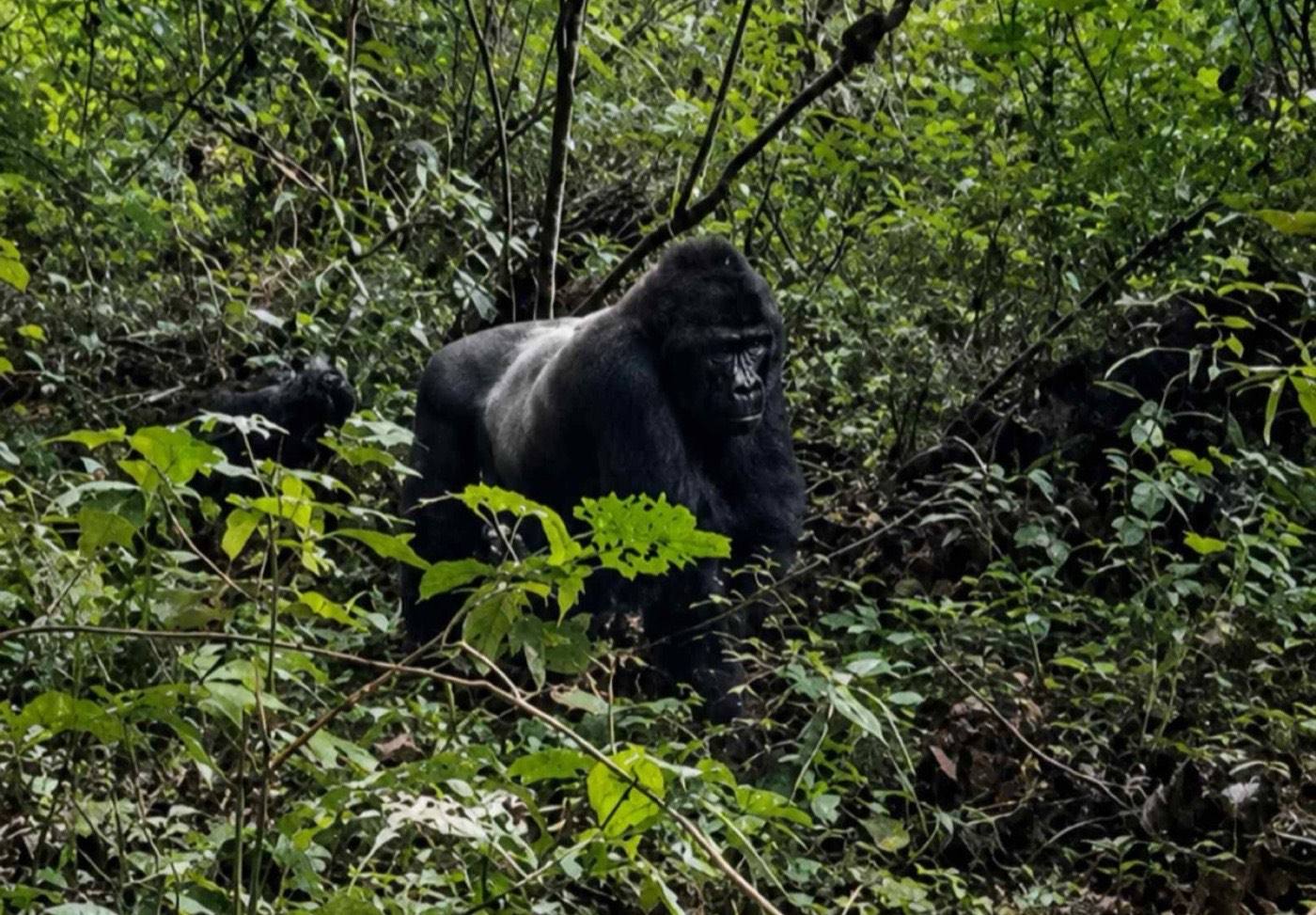
For many travellers, encountering mountain gorillas in their natural habitat is the experience that first inspires them to dream of visiting Uganda. The good news is that gorilla trekking is available throughout the year. Mountain gorillas do not migrate to another country during a particular season, nor do they disappear during the rainy months. What changes are the conditions you may encounter while trekking to find them. During the drier months, forest trails are generally easier to navigate. This is one of the reasons why June to August and December to February are particularly popular for gorilla trekking. During periods of heavier rainfall, the ground can become muddy and slippery. However, even during the dry season, you should always be prepared for rain. After all, you are exploring a tropical rainforest.
How Difficult Is Gorilla Trekking?
This is one of the most frequently asked questions when planning a trip to Uganda. And the answer is – it depends.
No one can promise in advance that your trek will take exactly one or two hours. Mountain gorillas move freely through their natural habitat. On some days, a gorilla family may be found relatively quickly. On others, the trek can take considerably longer. The terrain itself is also part of the challenge. That is why having the right footwear is far more important than wearing the latest safari clothing. You should be prepared for uneven ground, dense vegetation, humidity, and changing weather conditions. But when you finally encounter the gorillas in their natural habitat, the exhaustion of the trek quickly fades into the background.
Gorilla Trekking During the Rainy Season – Is It Worth It?
Absolutely.
If your travel dates only allow you to visit during the wetter months, there is no reason to give up on this extraordinary experience. You simply need to be prepared for more challenging trekking conditions. The tropical rainforest after rainfall has an incredible atmosphere – mist drifting between the trees, wet leaves, vibrant shades of green, and sounds that remind you that you are somewhere completely different from anything you may be familiar with in Europe. You might get muddy. You might get caught in the rain. But none of that will make your encounter with the mountain gorillas any less special.
When Is the Best Time for Chimpanzee Trekking in Uganda?
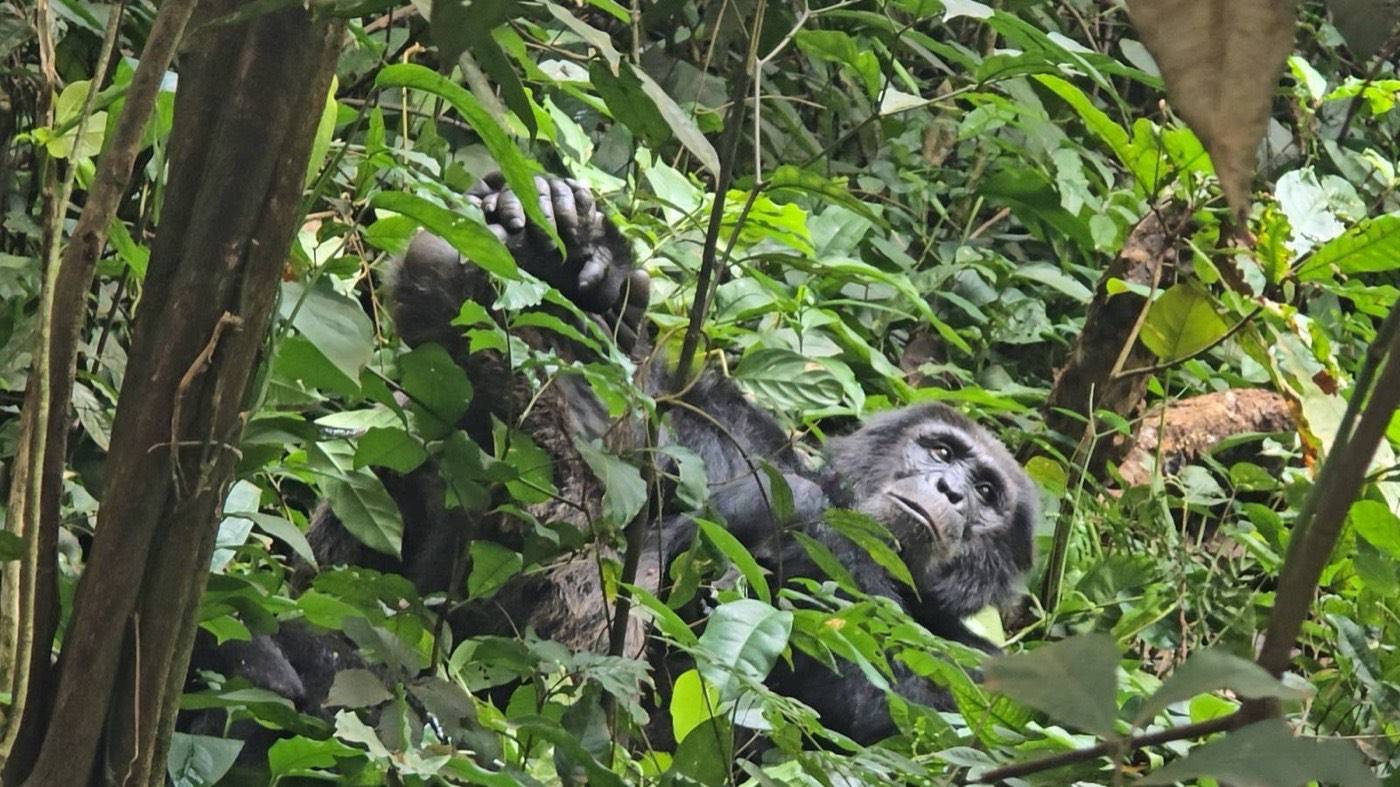
Chimpanzee trekking is another extraordinary experience that can be included in a trip to Uganda. It is very different from encountering mountain gorillas. Chimpanzees are energetic, noisy, and incredibly active. Sometimes, you will hear their calls echoing from somewhere high in the forest long before you actually see them. Chimpanzee trekking is also available at different times throughout the year.
As with gorilla trekking, rainfall mainly affects trail conditions rather than whether the experience is possible. The combination of traditional wildlife safaris and primate trekking is one of the unique features that sets Uganda apart from many other African safari destinations.
When Is the Best Time for Birdwatching in Uganda?
Even if you are not a passionate birdwatcher, Uganda has a way of making you notice birds almost immediately. They are everywhere – along rivers and lakes, across the savannas, in forests, and throughout wetlands. The country is home to an extraordinary diversity of bird species, and during certain times of the year, migratory birds join the resident species. For dedicated birdwatchers, choosing the right season may depend on the particular species they hope to observe. For other travellers, birds simply become a constant and beautiful part of the safari experience.
And yes – after just a few days, you will probably find yourself asking your guide: "What kind of bird is that?"
When Is Uganda at Its Greenest?
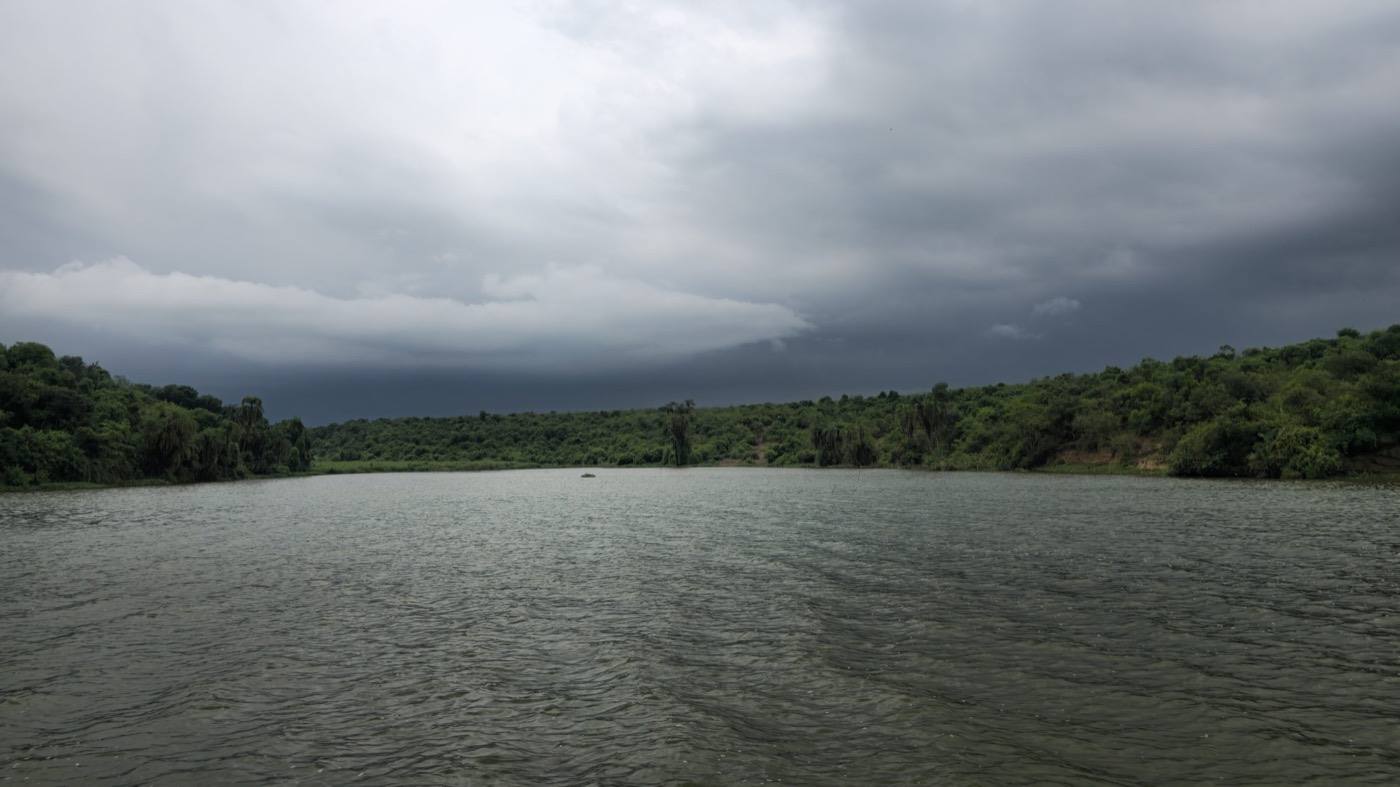
If you dream of seeing that incredibly lush, green African landscape that almost looks unreal in photographs, consider visiting during the wetter months or shortly after the rains. Rainfall can transform the landscape remarkably quickly. The grass becomes fresh and green, while trees are covered in new foliage. The dry season has its own beauty, but if lush landscapes and powerful, flowing waterfalls are among your priorities, you should not automatically rule out travelling during the rainy months.
When Is the Best Time for Photography in Uganda?
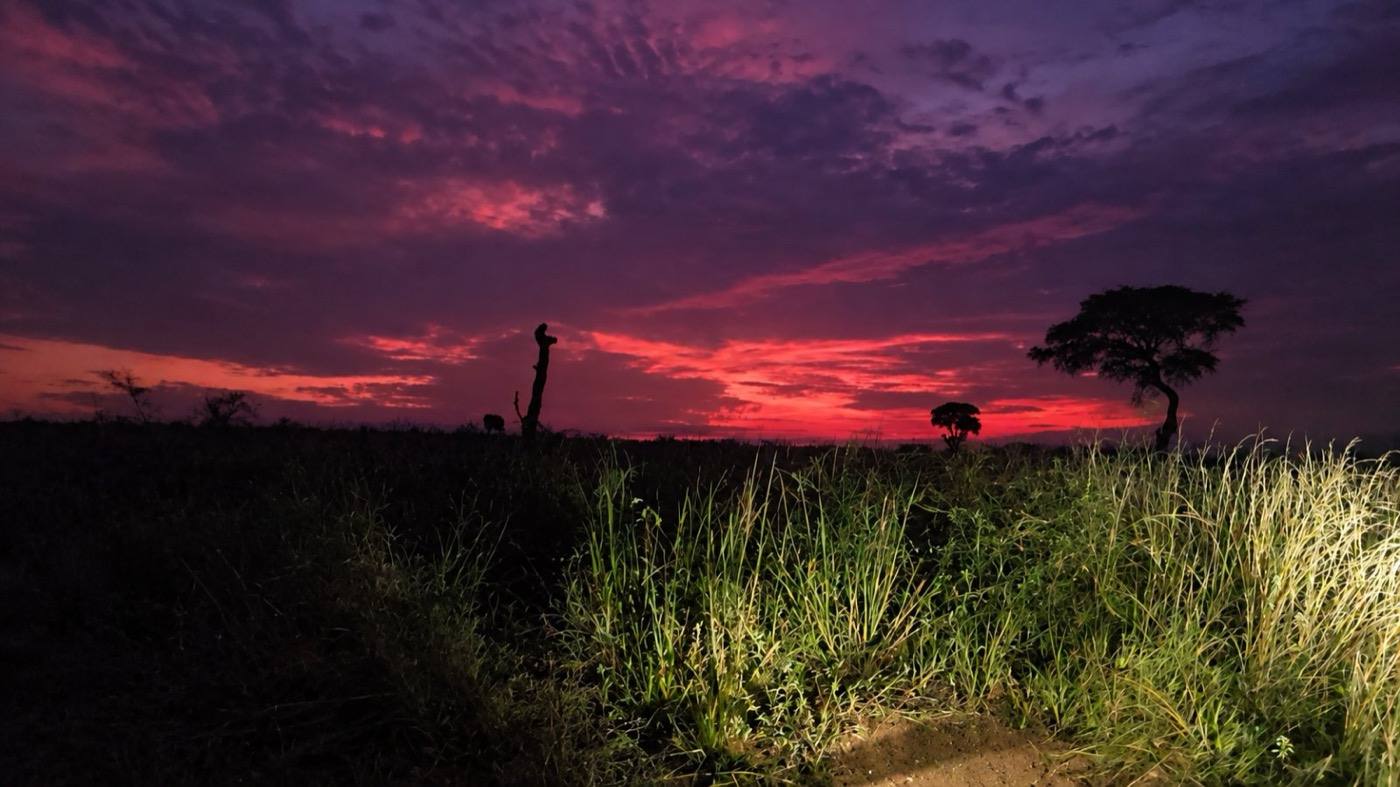
There is no single answer to this question. For wildlife photography, the dry season can be more convenient, as vegetation tends to be less dense in certain areas. However, when it comes to landscape photography, the rainy season can be absolutely spectacular. The vibrant greenery, dramatic clouds, mist, and beautiful light just after rainfall create photographic opportunities that are difficult to capture during the drier months. Regardless of the season, early mornings and the hours before sunset usually offer the most beautiful light.
And sometimes, the best photograph from your safari will not be the one you planned at all. It might be the silhouette of an animal on the horizon, mist rising above the forest, or a dusty road in the early morning. Or simply a moment that lasts only a few seconds.
Uganda in December, January, and February
This is one of Uganda's main drier periods. For European travellers, it has an additional appeal – you leave the winter behind and, after a journey of just a few hours by plane, find yourself surrounded by the greenery of East Africa. Conditions are generally favourable for both traditional wildlife safaris and trekking. February is a particularly interesting choice for travellers who prefer not to plan their long-distance holidays during the European summer.
And once again, remember that "dry" does not mean it will never rain.
Uganda in March, April, and May
This is one of the wetter periods of the year, with March and May generally experiencing higher rainfall. Travelling during these months requires a little more flexibility. Dirt roads can become more challenging to navigate, and trekking trails may be muddier. In return, you will experience incredibly lush green landscapes and a completely different atmosphere. This can be a wonderful time for travellers who do not mind unpredictable weather and prefer experiencing nature over following a perfectly predictable schedule.
Uganda in June, July, and August
This is one of the most popular times of the year for a safari in Uganda. The drier weather generally provides favourable conditions for travelling and trekking. This period also coincides with the summer holiday season in Europe, which increases demand. And that has practical implications – accommodation at popular safari lodges and gorilla trekking permits may be in higher demand. If you are planning to visit Uganda in July or August, it is wise to start organising your trip well in advance.
Uganda in September, October, and November
During the months that mark autumn in Europe, Uganda enters another wetter period. Rainfall may become more frequent, although showers are often relatively short. The landscapes turn beautifully green once again, and during certain periods, there may be fewer tourists. For travellers who are comfortable with a little unpredictability, this is certainly a good opportunity to experience a safari in Uganda. However, you should be prepared for the possibility that your journey may sometimes follow the rhythm of nature rather than the clock.
When Is Uganda Most Popular with Tourists?
The most popular dry periods naturally attract more visitors. The months of June, July, and August are particularly popular, as is the period around Christmas and New Year. However, this does not necessarily mean that everywhere will be crowded. Uganda still offers a different atmosphere compared to some of Africa's most heavily visited safari destinations. Nevertheless, planning ahead is important during popular travel periods. This is especially true if you have specific accommodation preferences or would like to go gorilla trekking on a particular date.
When Should You Book a Safari in Uganda?
There is no need to wait until you have chosen the "perfect" month. What matters much more is knowing approximately when you can travel and how many days you would like to spend in Uganda. Your itinerary can then be tailored to suit the time of year.
If you are planning to travel during the more popular months, it is a good idea to start organising your trip well in advance. For trips that include gorilla trekking, securing permits is particularly important, as the number of visitors allowed each day is limited. If your travel dates are flexible, you will naturally have more options to choose from.
How Do the Seasons Affect Road Conditions in Uganda?
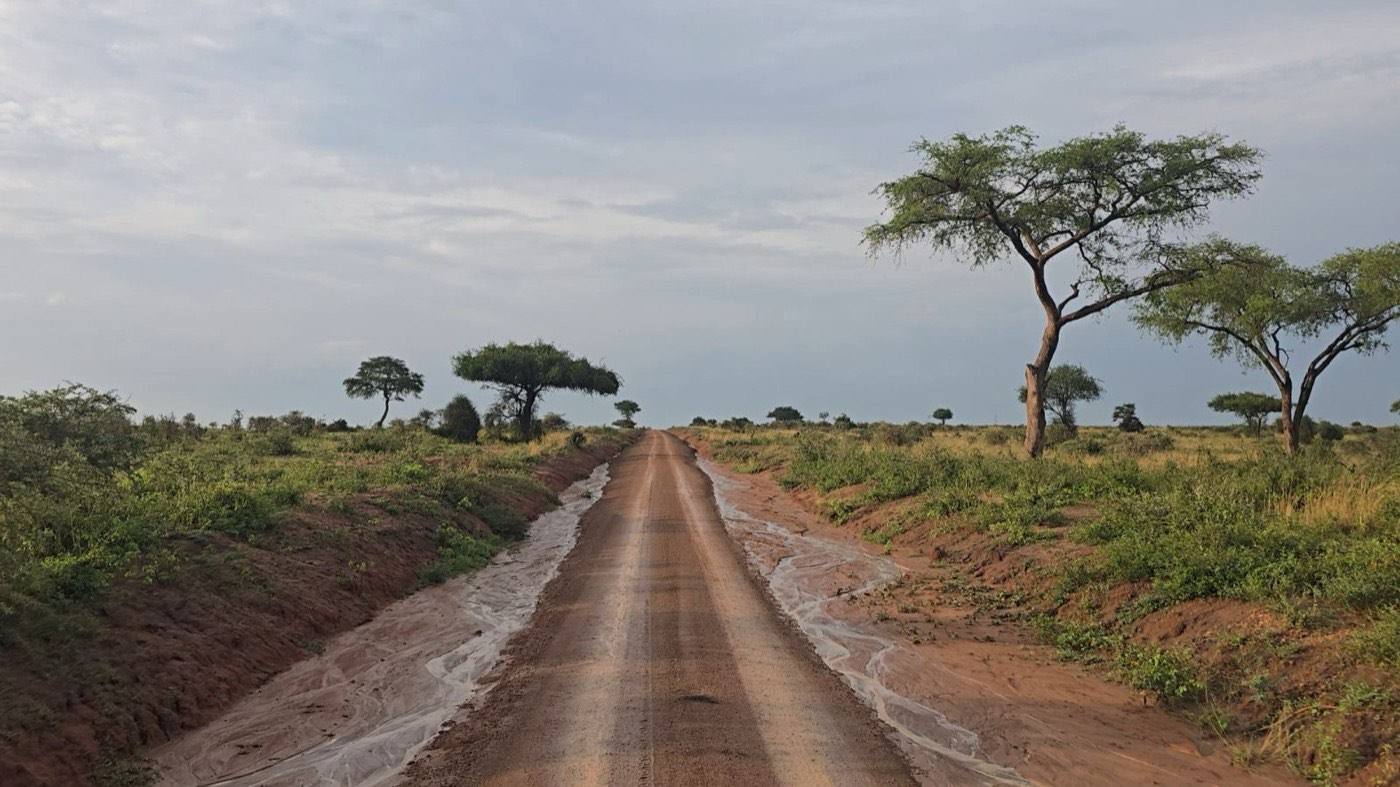
This is something many travellers rarely think about when planning their first safari. In Africa, the distance in kilometres does not always tell you how long a journey will take. Some routes pass along unpaved roads. During the drier months, these roads are generally easier to navigate, although they can become quite dusty.
After heavy rainfall, conditions can change considerably. Travelling may become slower, but the scenery also transforms. This is one of the reasons why a safari itinerary should never be too packed with activities. Africa is best experienced when you have time to enjoy the journey itself.
What Should You Pack for a Safari in Uganda?
- Regardless of which month you choose to visit Uganda, it is important to pack for a variety of weather conditions.
- Lightweight, comfortable clothing is ideal for the warmer parts of the day.
- A jacket or warm layer is recommended for early morning game drives.
- Sturdy, comfortable footwear is essential for trekking.
- A lightweight waterproof jacket is a good idea throughout the year.
- A hat, sunscreen, and insect repellent should also have a place in your luggage.
And remember, practicality is far more important than the number of clothes you bring. On safari, nobody will notice if you wear the same T-shirt twice. Chances are, everyone will be too busy watching the elephant standing in front of the vehicle.
Dry Season or Rainy Season – Which Should You Choose?
If you prefer more predictable weather, easier travel conditions, and more comfortable trekking, the drier months are probably the better choice for you. If you dream of lush green landscapes, fewer visitors, and do not mind occasional rain, do not rule out the wetter months.
But what if your travel dates are fixed?
There is no need to worry too much. Uganda is not a destination that can only be enjoyed for two or three months of the year.
So, What Is the Best Month for a Safari in Uganda?
To sum it all up:
December – February: A drier period with excellent conditions for wildlife safaris and trekking.
March – May: More rainfall, incredibly lush landscapes, and less predictable weather conditions.
June – August: One of the most popular periods for safaris and gorilla trekking.
September – November: Wetter weather, green landscapes, and a different atmosphere.
But ultimately, the best month to visit Uganda depends on you.
It depends on whether you prefer drier roads or lush green landscapes, whether seeing mountain gorillas is your greatest dream, whether you love photography, and whether you prefer travelling during the popular season or enjoying a quieter experience. And most importantly – when you have the opportunity to travel.
Uganda Is Not Just a One-Season Destination
Perhaps that is the most beautiful answer to the question of when to visit Uganda.
Whenever you are ready to experience it.
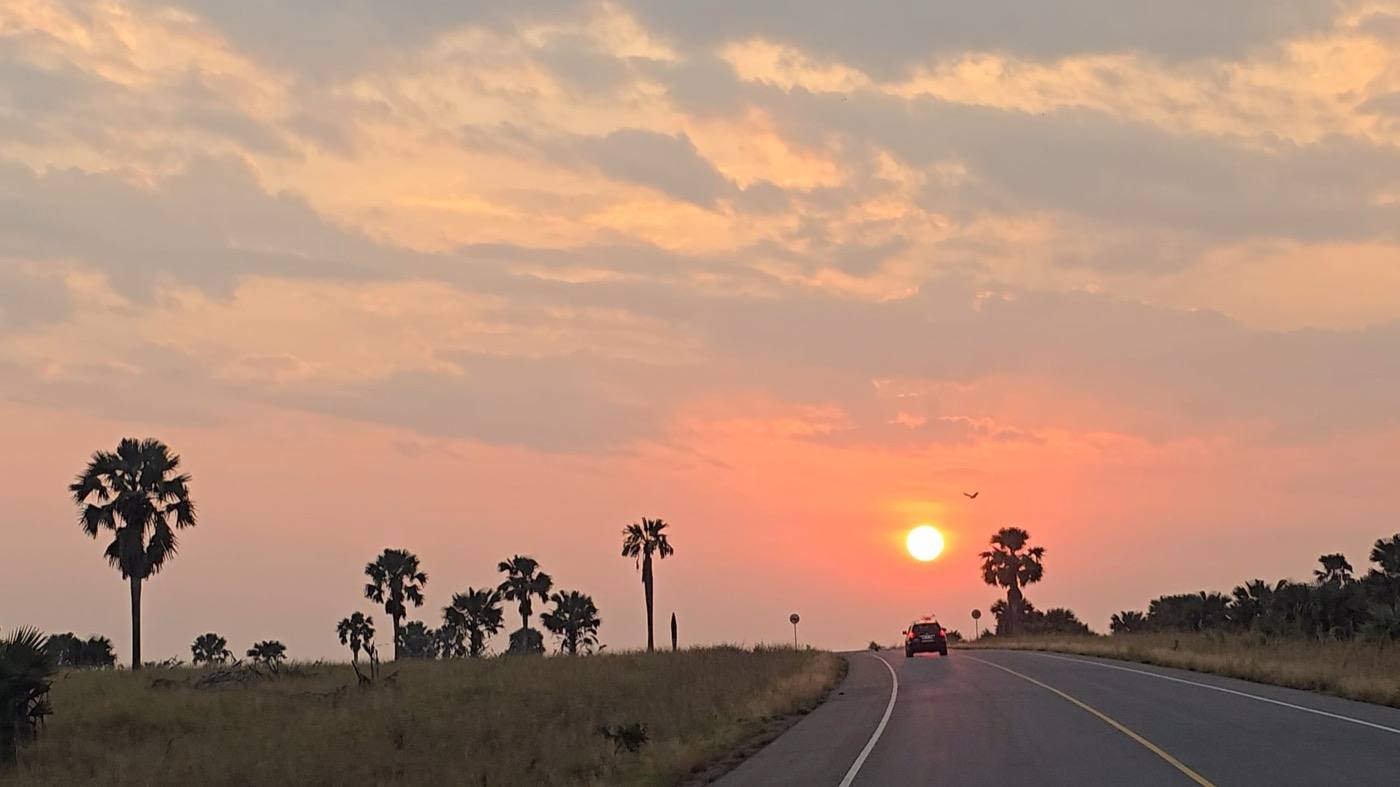
The dry season may make the roads easier to navigate. The rainy season may transform the landscapes into even more vibrant shades of green. A day might begin with sunshine, continue with a tropical downpour, and end with a magnificent African sunset. And no weather forecast can tell you the exact moment an elephant will cross the road in front of you, when you will hear chimpanzees calling in the forest, or how you will feel when you see a mountain gorilla just a few metres away for the very first time.
That is part of Africa.
Part of the unpredictability.
And part of the reason we keep coming back.
Are You Ready to Discover Uganda?
At Africa Whispers Safaris we believe there is no single way to experience Uganda. Every season reveals a different side of the country – from the lush green landscapes following the rains to the drier months, perfect for spending long days exploring the wilderness.
That is why our journeys combine wildlife safaris, natural beauty, and opportunities to discover the many different sides of Uganda. Both the itinerary and the time of year can be tailored to the experiences you are looking for.
Explore our Uganda safari itineraries or get in touch with us if you are still unsure about when to travel. We will help you choose the most suitable time based on what you would like to see and experience.
Because Uganda is not simply a place you visit.
It is a place that stays with you long after you return home.