
Part II | National Parks and Protected Areas of Uganda
Uganda is a country whose extraordinary natural diversity can hardly be fully explored in a single journey. From the vast savannas of the northeast to the dense tropical forests of the southwest, every region offers unique landscapes, wildlife species, and opportunities for unforgettable encounters with nature.
In the first part of our journey, I introduced you to Queen Elizabeth, Murchison Falls, Lake Mburo, and the picturesque Sipi Falls. Now, we will continue to four more remarkable destinations that reveal different sides of Uganda.
We will venture into the remote plains of Pian Upe, where ostriches and rare predators can still be found. We will explore Kidepo Valley, one of the most isolated and spectacular national parks in East Africa. Then, we will enter the ancient tropical forests of Bwindi, home to the endangered mountain gorillas, before finishing our journey at Ziwa Rhino Sanctuary – a place that plays a vital role in bringing rhinos back to Uganda's wilderness.
Four destinations with entirely different characters, united by one common purpose – the conservation of Uganda's exceptional natural heritage.
5. Pian Upe Wildlife Reserve – The Land of Cheetahs, Ostriches, and Endless Plains
In northeastern Uganda, in the Karamoja region, lies Pian Upe Wildlife Reserve – one of the country's largest yet least visited wildlife reserves. Covering more than 2,000 square kilometers, it stretches across vast grasslands, acacia woodlands, seasonal waterways, and rocky hills, creating a landscape quite different from that of Uganda's western national parks.
The reserve's history dates back to 1964, when part of the area was first designated as a protected zone. Today, Pian Upe is an important part of northeastern Uganda's conservation network, connected to other protected areas across the Karamoja region.
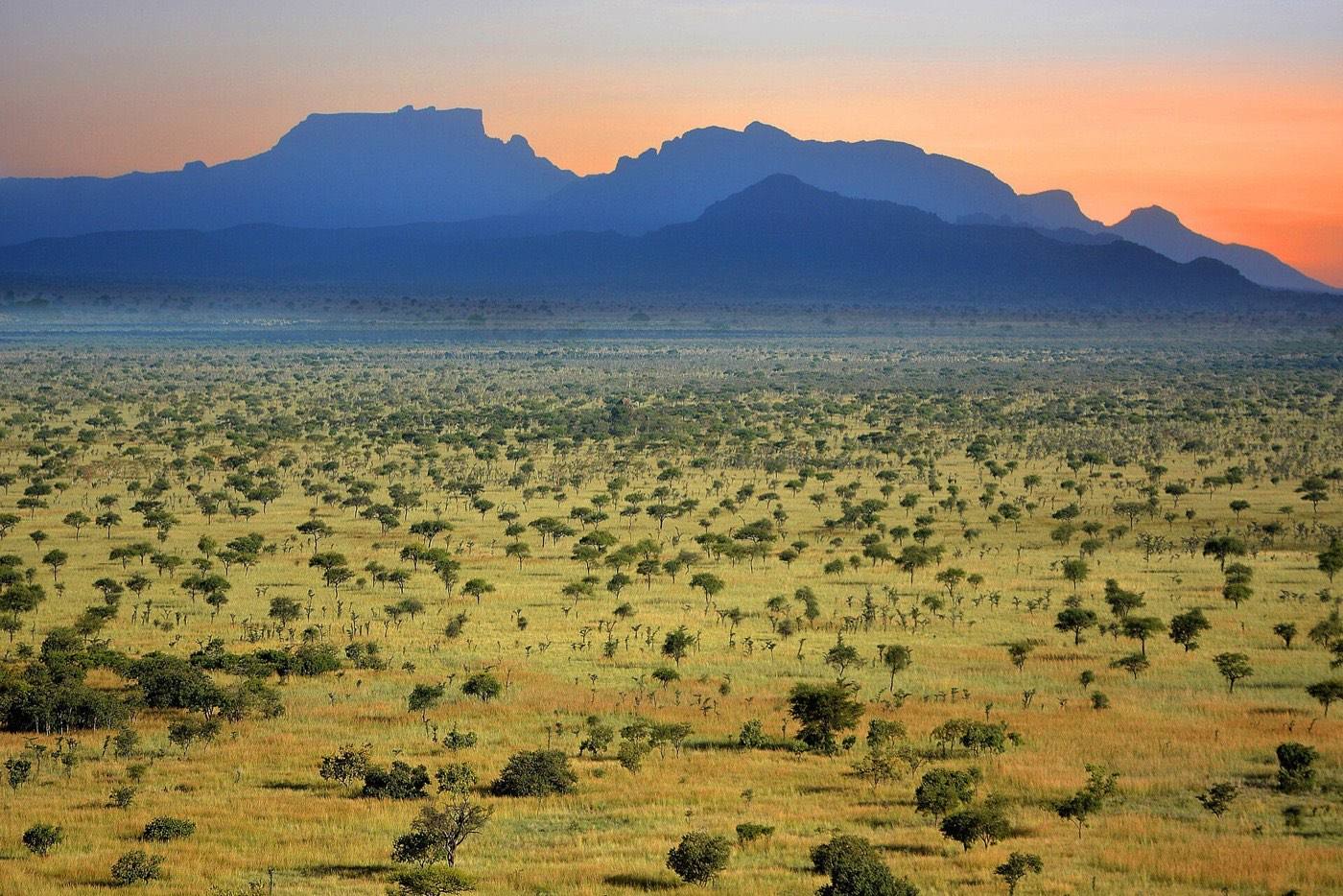
One of the most remarkable features of Pian Upe is its incredible sense of space and openness. In some areas, the savanna stretches all the way to the horizon, interrupted only by scattered trees, rocky formations, and the distant silhouette of Mount Kadam. This relatively dry landscape provides habitats for wildlife species that are rarely encountered in other parts of Uganda.
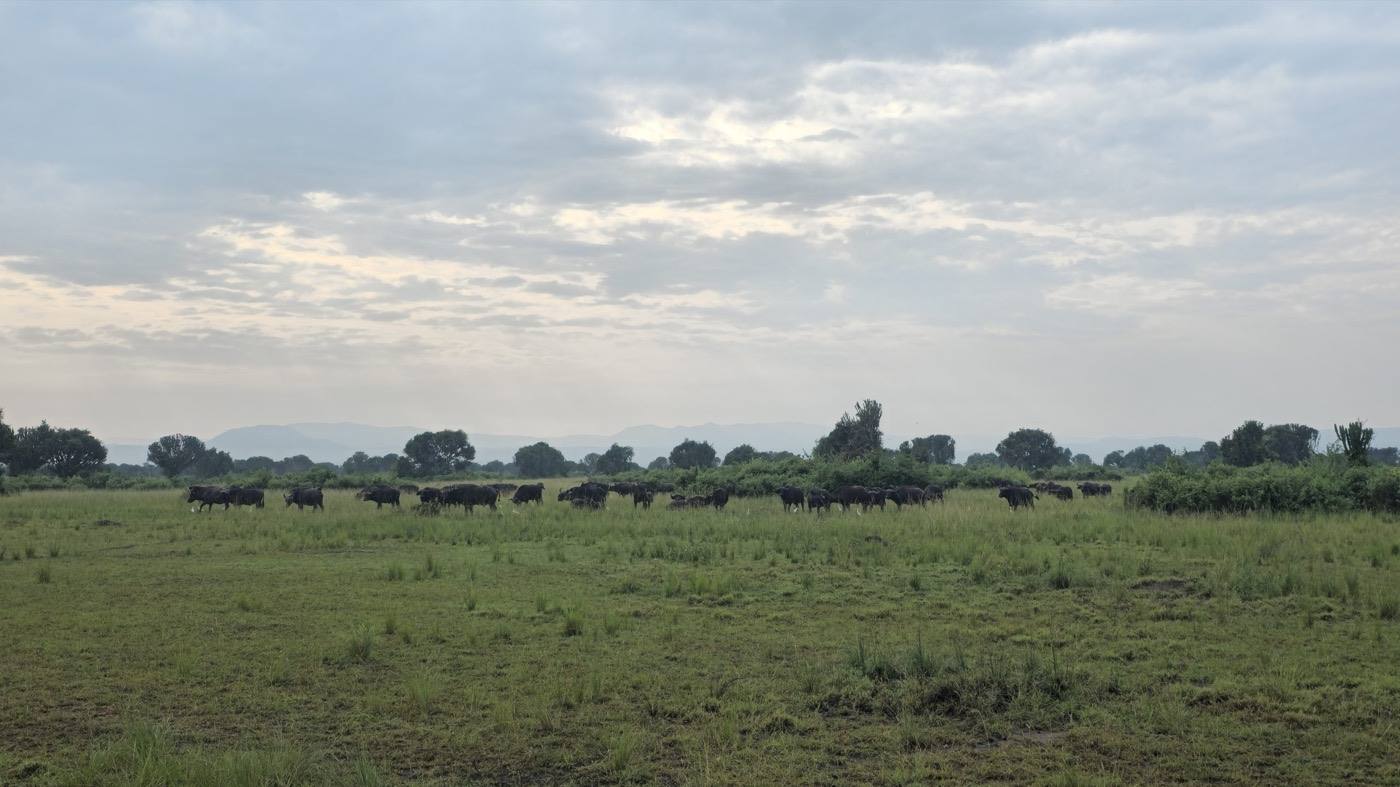
Cheetahs – The Rare Predators of the Open Savanna
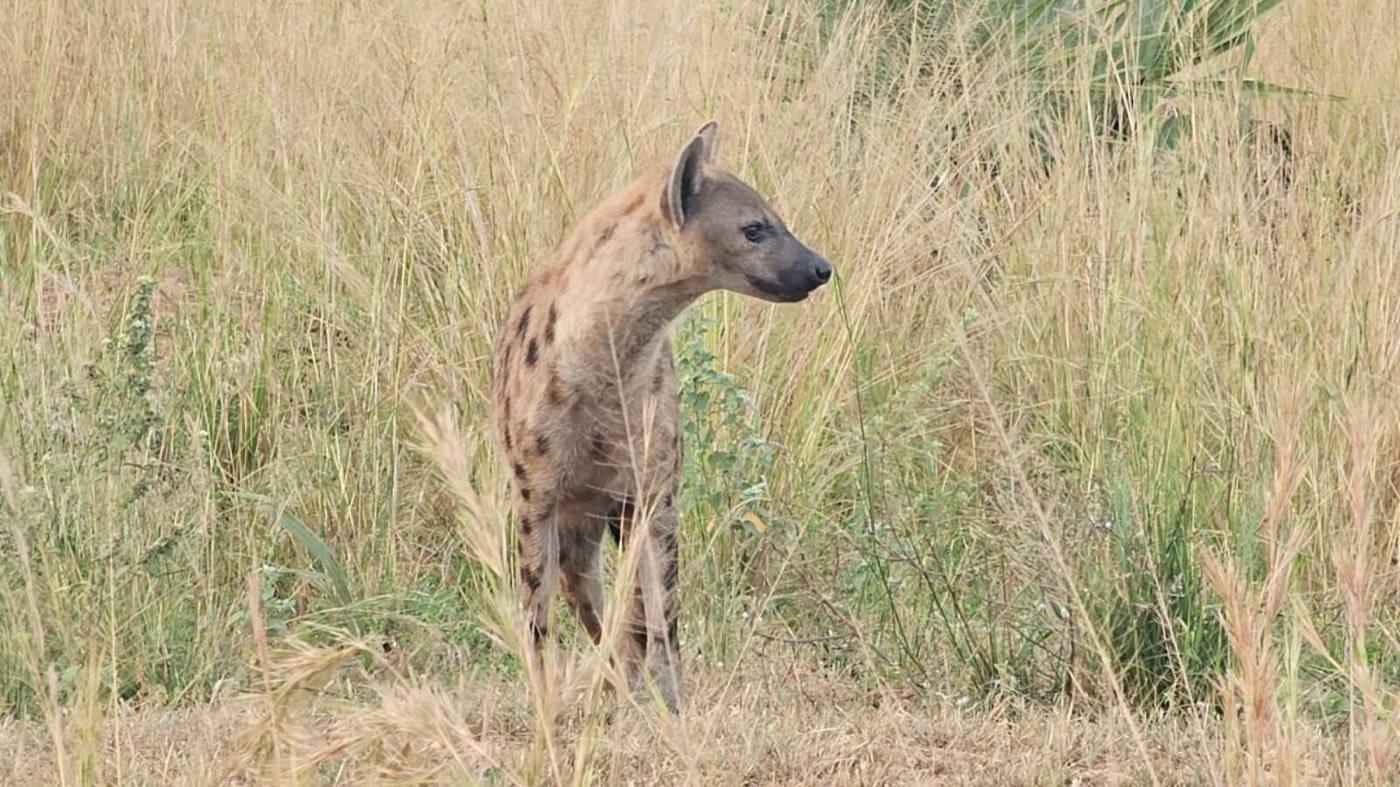
Pian Upe is one of the few places in Uganda where cheetahs can still be found. These extraordinary predators prefer open grasslands, which allow them to spot their prey from a distance and use their greatest advantage – speed. The cheetah population in Pian Upe is small, making every encounter with these remarkable animals truly special. Cheetahs are elusive creatures that can travel great distances in search of prey. For this reason, sightings during a safari can never be guaranteed.
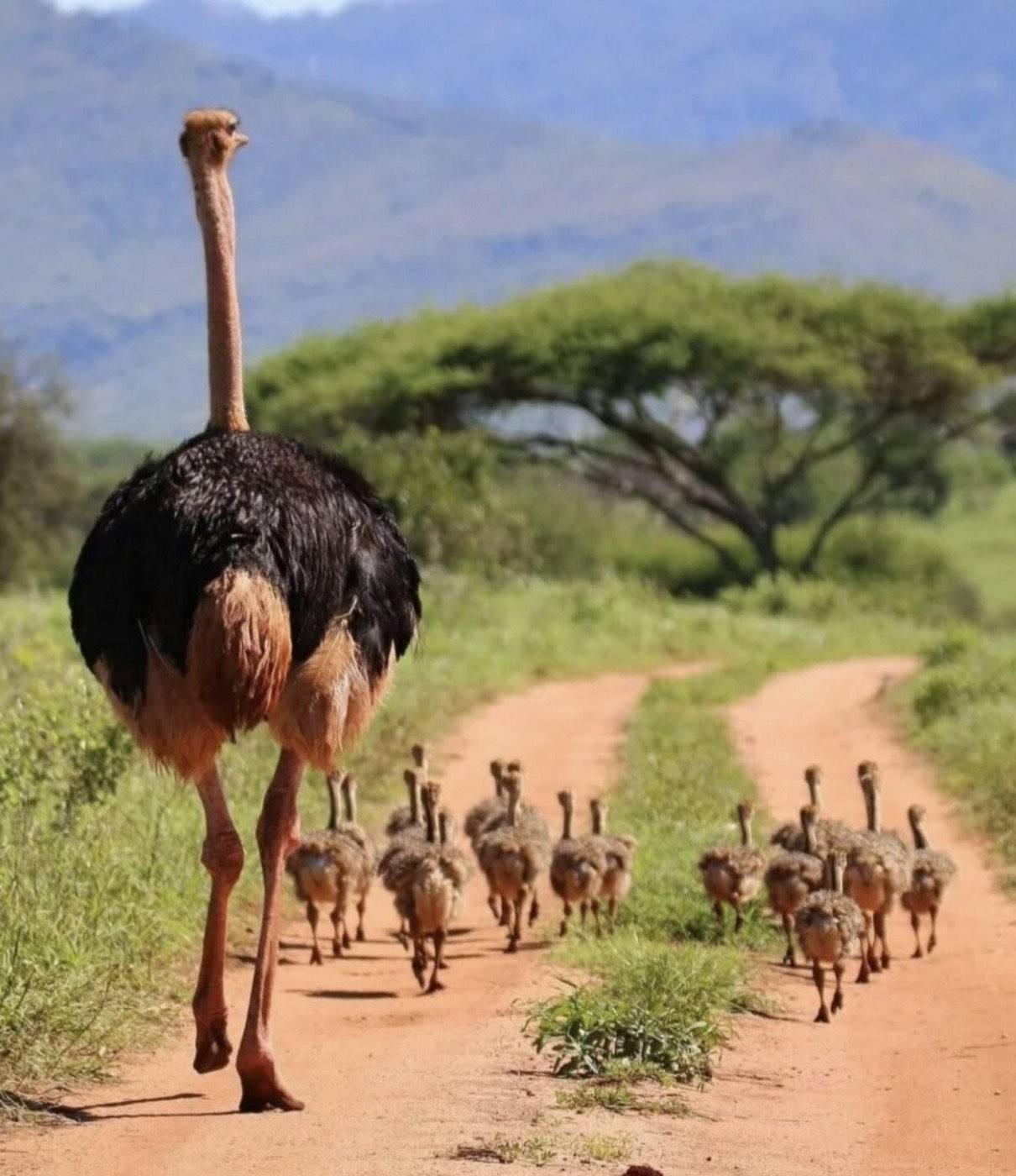
African Ostriches – The Extraordinary Birds of Karamoja
One of the most distinctive features of Pian Upe is the presence of African ostriches. These impressive birds are among the most fascinating inhabitants of the dry savannas of northeastern Uganda. Males are easily recognized by their black plumage and white feathers on their wings and tails, while females typically have more subdued greyish-brown coloring. This helps them blend into their surroundings while incubating their eggs. Observing ostriches in their natural habitat is one of the unique experiences that sets Pian Upe apart from Uganda’s other safari destinations.
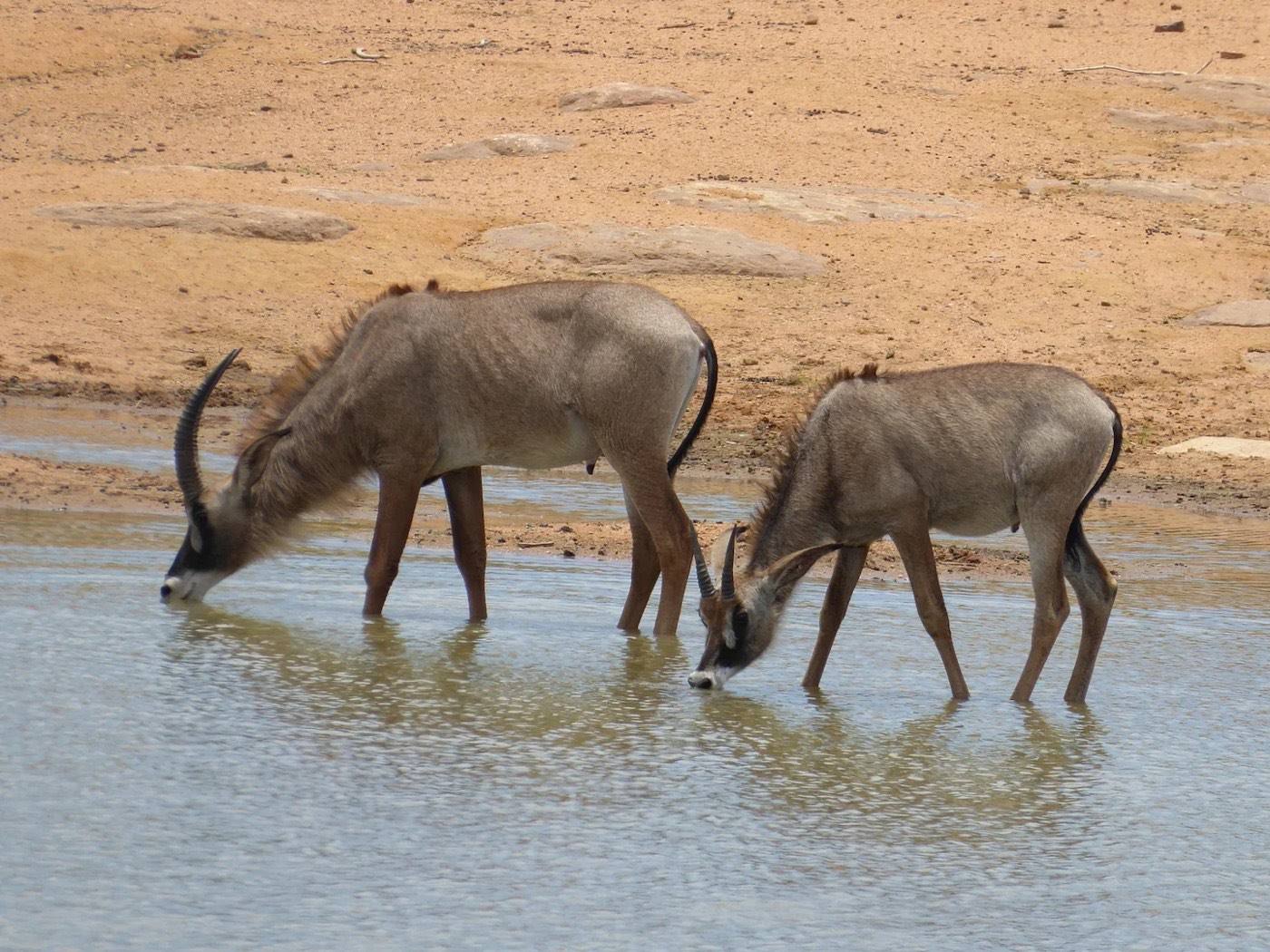
Rare Antelopes and Other Wildlife of the Reserve
In addition to cheetahs and ostriches, Pian Upe provides an important habitat for a wide variety of herbivorous animals. Among the most remarkable are roan antelopes, known for their impressive size, distinctive curved horns, and striking facial markings. Roan antelopes are particularly important to Uganda’s natural heritage, as Pian Upe is home to the country’s only remaining population of this species. They prefer open savannas with tall grasses and scattered trees.
The reserve is also home to elands, Jackson’s hartebeests, oribis, waterbucks, buffaloes, and other herbivorous mammals. Some wildlife populations have experienced significant declines in the past due to poaching, habitat changes, and human activities. Today, conservation efforts focus on restoring wildlife populations, improving reserve management, and protecting natural habitats.
Изображение от uh.app
Mount Kadam and the Natural Landscapes
The eastern part of Pian Upe is dominated by the impressive Mount Kadam, which rises to approximately 3,068 meters above sea level. Its slopes and rocky peaks tower above the vast plains, creating one of the most distinctive landscapes in the region.
During the dry season, the grasslands take on golden hues, while scattered acacia trees cast long shadows across the ground. After the rains, the savanna gradually transforms into a lush green landscape, seasonal waterways fill with water, and wildlife spreads across a wider area. These seasonal changes directly influence animal behavior and the opportunities for wildlife viewing.
Pian Upe is not a destination where you will encounter large concentrations of wildlife at every turn. Its true value lies in its preserved natural landscapes, rare species, and the opportunity to discover a lesser-known side of Africa.
Изображение от wikimedia
6. Kidepo Valley National Park – The Wild Heart of Northeastern Uganda
In the remote northeastern corner of Uganda, near the borders with South Sudan and Kenya, lies Kidepo Valley National Park – one of the country's most spectacular and isolated national parks. Covering approximately 1,442 square kilometers, the park encompasses vast savannas, rocky hills, seasonal rivers, and mountain ranges. Established as a national park in 1962, it is now one of the most valuable protected areas in northeastern Uganda.
Its remote location has helped preserve a relatively peaceful natural environment, far from the major tourist crowds. Here, landscapes stretch for dozens of kilometers, with the horizon often framed only by distant mountain ranges.
Kidepo also has a drier climate compared to most national parks in western Uganda. These conditions support distinctive vegetation communities and wildlife species characteristic of the East African savannas.
Narus Valley – Life Around the Water
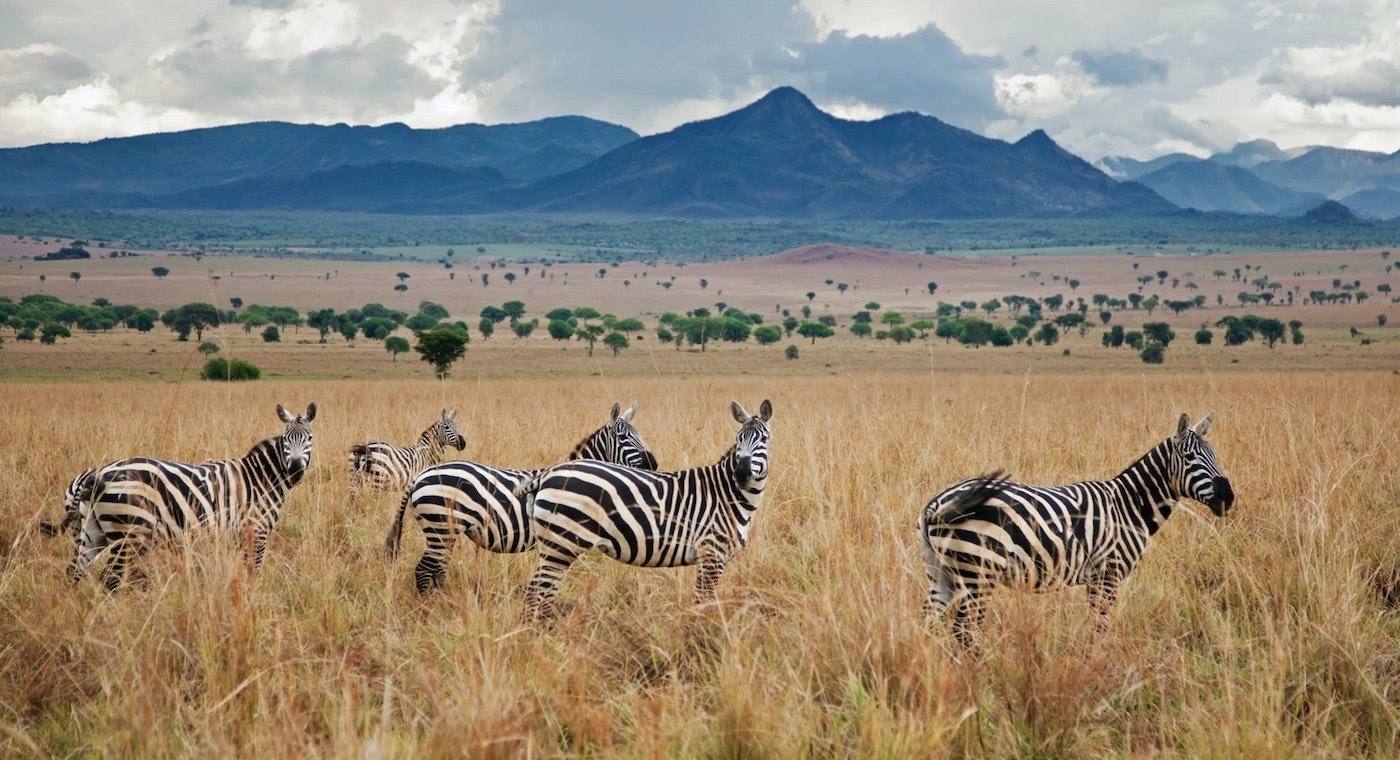
Narus Valley is one of the most important areas of Kidepo Valley National Park for wildlife viewing. During the dry season, the valley's water sources attract large herbivorous mammals and predators. Visitors may encounter African buffaloes, elephants, zebras, giraffes, hartebeests, waterbucks, and other savanna wildlife.
Particularly impressive are the herds of African buffaloes, which can sometimes number hundreds of animals. They move together in search of water and fresh vegetation, with adults often protecting younger members of the herd from predators. These large concentrations of herbivores attract lions, leopards, and spotted hyenas. For this reason, Narus Valley is considered one of the best areas in the park for game drives and wildlife observation.
The Lions of Kidepo – Rulers of the Rocky Hills
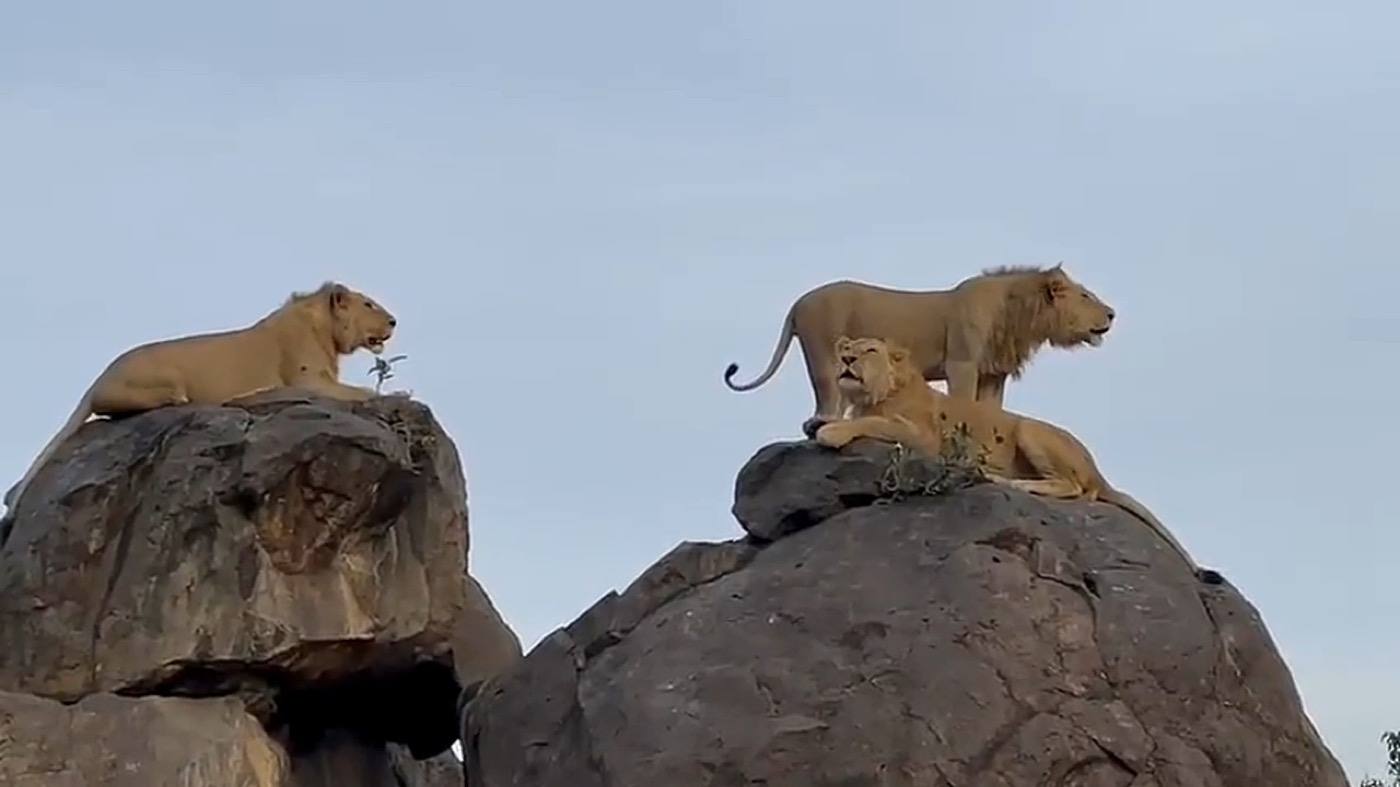
One of the most memorable sights in Kidepo is the opportunity to observe lions resting on rocky outcrops scattered across the savanna. Unlike the open plains, these elevated rocks provide natural vantage points from which the predators can watch the movements of wildlife in the surrounding area.
During the hottest hours of the day, lions often spend their time resting. Their activity generally increases in the early morning, late afternoon, and throughout the night. Encountering lions among the rocky landscapes of Kidepo is one of the most distinctive safari experiences in this part of Uganda.
Kidepo Valley – The Seasonal River and Extraordinary Landscapes
The northern part of the park is shaped by the Kidepo River Valley. For much of the dry season, the riverbed remains almost completely dry, with wide stretches of sand creating an unusual landscape. Following heavy rainfall, the river can quickly fill with water, flowing through the valley and temporarily changing the conditions for plants and wildlife.
One of the most distinctive features of the area is the presence of Borassus palms, which rise above the grasslands and give the valley an almost desert-like appearance. Unlike Uganda’s greener national parks, nature here reveals a more rugged side. Dry riverbeds, golden grasses, and distant mountain peaks create a remarkable sense of remoteness and isolation.
Birdlife and Rare Inhabitants of the Northern Savannas
Kidepo is an exceptional destination for birdwatching enthusiasts. More than 470 bird species have been recorded in the park, including birds of prey, ostriches, secretary birds, bustards, and numerous other species characteristic of savanna ecosystems. The secretary bird is among the most extraordinary species. It spends much of its time on the ground, walking through the grasslands on its long legs. Its diet includes small mammals, lizards, snakes, and other animals, which it captures using rapid, powerful strikes with its feet.
Other characteristic mammals of Kidepo include giraffes, zebras, elephants, and several species of antelope. Some wildlife species found in this region have a limited distribution elsewhere in Uganda.
Kidepo offers the opportunity to observe wildlife in some of the country's most expansive and least visited savannas. Here, the journey through the landscape itself is just as impressive as the encounters with its wild inhabitants.
Изображение от: globalconservation
7. Bwindi Impenetrable National Park – An Encounter with Mountain Gorillas in the Heart of the Tropical Forest
In southwestern Uganda, along the slopes of the Albertine Rift, lies Bwindi Impenetrable National Park – one of Africa’s most valuable tropical forests and one of the last remaining refuges for endangered mountain gorillas. Covering approximately 321 square kilometers, the area was designated a national park in 1991. In 1994, it was inscribed on the UNESCO World Heritage List in recognition of its exceptional biodiversity and its importance in protecting rare and endangered species.
Unlike the open savannas of northern Uganda, Bwindi is a complex landscape of steep mountain slopes, deep valleys, streams, and dense vegetation. Elevations range from approximately 1,160 to 2,600 meters above sea level, creating a variety of climatic conditions and vegetation habitats. The forest is part of Africa’s ancient forest ecosystems, which have survived significant climatic changes over thousands of years. It is home to more than 160 tree species, over 100 species of ferns, and a remarkable diversity of birds, butterflies, and mammals.
7. Bwindi Impenetrable National Park – Home of the Mountain Gorillas
Mountain Gorillas – Among the Rarest Primates in the World
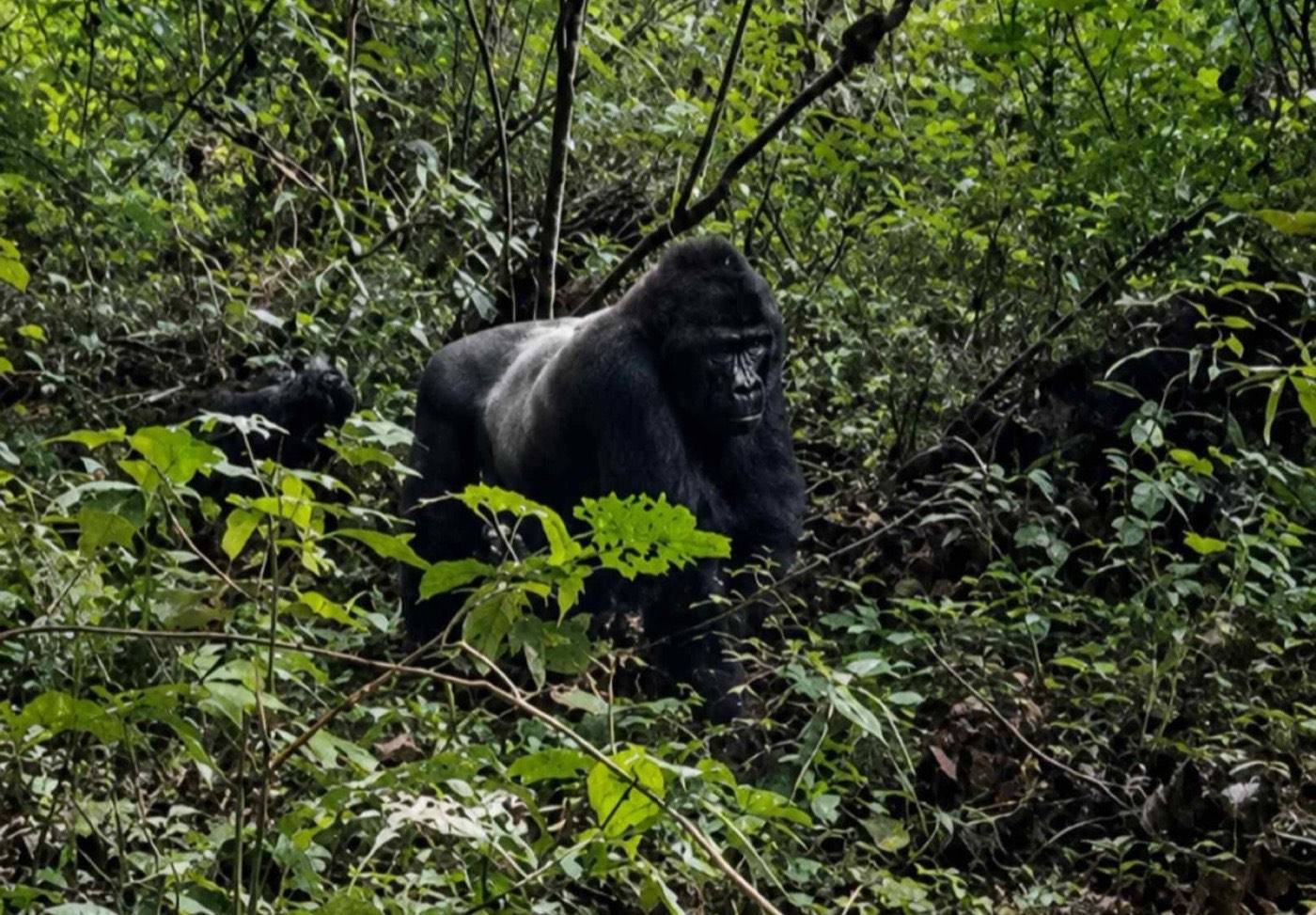
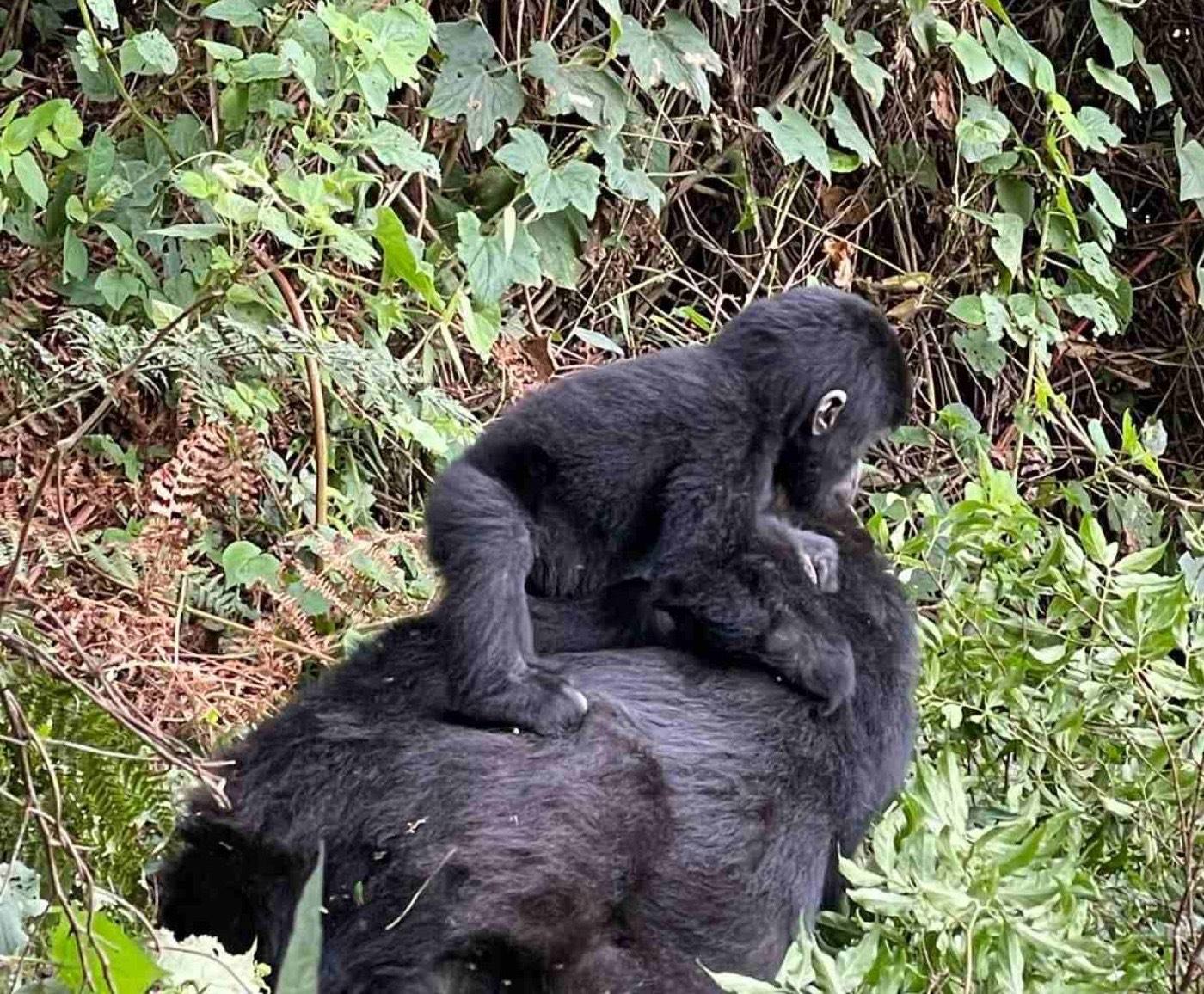
Bwindi’s most famous inhabitants are the mountain gorillas – a subspecies of the eastern gorilla found only in a limited number of mountainous regions across Uganda, Rwanda, and the Democratic Republic of the Congo. Mountain gorillas are the largest living primates. Adult males can weigh more than 180 kilograms and are distinguished by the silver-grey fur that develops across their backs as they mature. This characteristic gives them their well-known name – silverbacks – среброгърби горили.
Gorillas live in family groups that typically consist of a dominant male, several females, infants, and younger individuals. The group leader plays an essential role in protecting the family, choosing feeding areas, and maintaining social relationships. Despite their impressive size, mountain gorillas have a predominantly plant-based diet, feeding on leaves, stems, young shoots, roots, and fruits. They spend much of their day searching for food, resting, and interacting with other members of their group.
The relationships between mothers and their young are particularly fascinating. Newborn gorillas are completely dependent on their mothers and spend the first months of their lives in constant physical contact with them. As they grow, young gorillas gradually begin exploring their surroundings, playing, and interacting with other members of the family.
Gorilla Trekking – One of Africa’s Most Extraordinary Experiences
Visiting mountain gorillas in their natural habitat is one of the most unforgettable experiences Uganda has to offer. Gorilla trekking begins early in the morning with a briefing from national park staff. Visitors then venture into the forest, accompanied by trained rangers and guides who are familiar with the terrain and the behavior of the gorillas.
The duration of the trek can vary considerably depending on the location of the gorilla family. Sometimes the gorillas are relatively close to the starting point, while on other occasions, reaching them requires hiking through steep slopes, dense vegetation, and damp forest trails.
Once the gorilla group has been located, visitors are usually allowed to spend up to one hour observing them. This restriction serves an important conservation purpose – minimizing the impact of human presence on these endangered animals. Imagine suddenly spotting an enormous silverback through the dense vegetation, calmly feeding on leaves. Nearby, a young gorilla plays with another juvenile, while its mother watches their movements.
This is not an encounter with animals in a zoo, but a rare opportunity to witness the natural lives of some of our closest relatives in the animal kingdom.
The Ancient Forest and Its Extraordinary Biodiversity
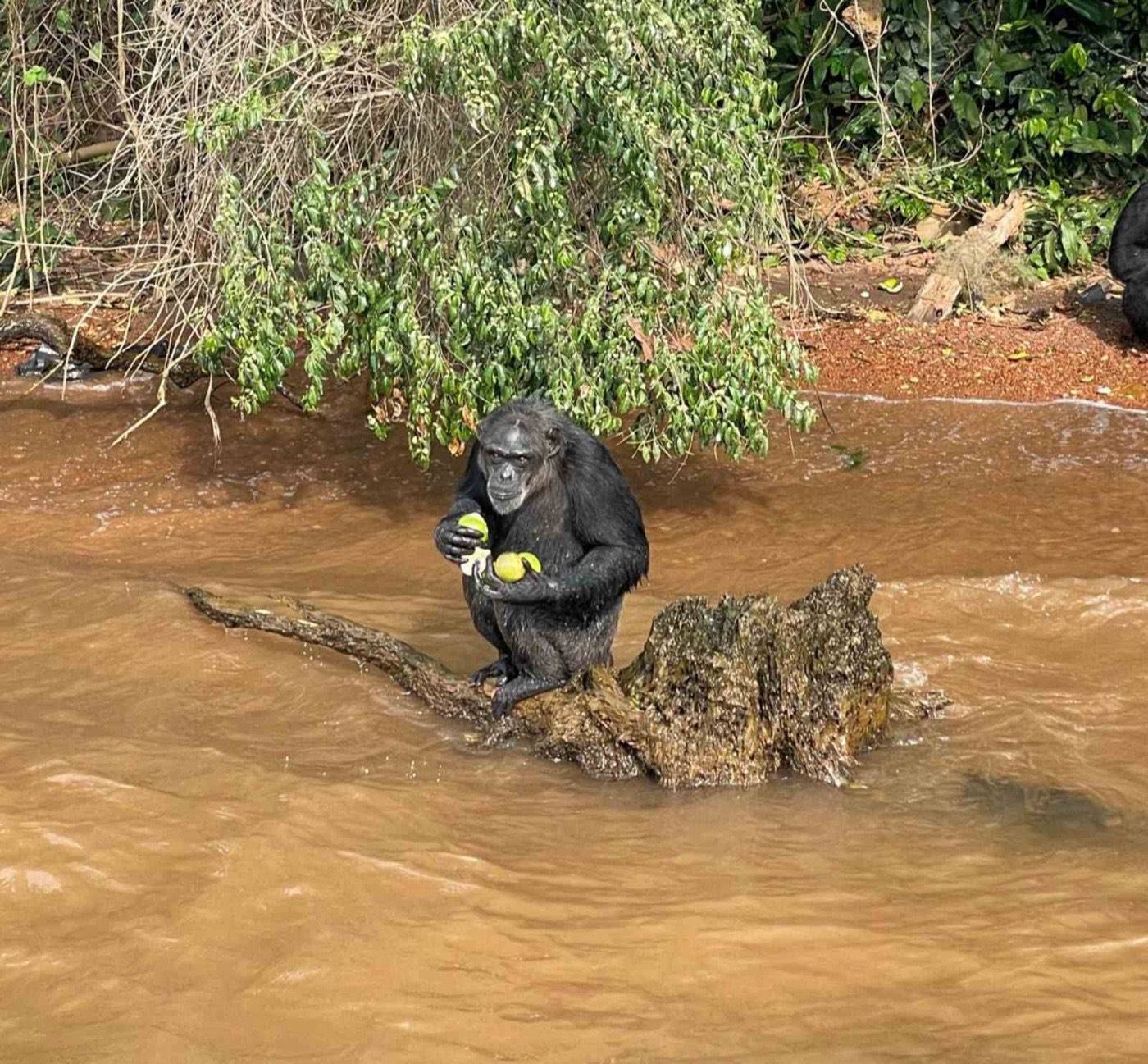
Although mountain gorillas are the main reason many visitors choose to explore Bwindi, the forest is home to an extraordinary diversity of wildlife. Numerous primate species can be found here, including chimpanzees, black-and-white colobus monkeys, and several other species of monkeys. The dense vegetation also provides shelter for forest elephants, antelopes, and other mammals that are rarely seen by visitors.
Bwindi is particularly valuable for birdwatching enthusiasts. More than 350 bird species have been recorded in the park, including many species characteristic of the Albertine Rift region. The humid climate, varied terrain, and significant differences in elevation create ideal conditions for rich and diverse vegetation. Towering trees form a dense forest canopy, beneath which ferns, mosses, vines, and numerous shade-loving plants thrive.
The forest also plays a vital role in maintaining the region's water balance. Its vegetation retains moisture, protects the soil from erosion, and helps sustain the numerous streams flowing down the mountain slopes.
Gorilla Conservation – One of Africa’s Conservation Success Stories
In the past, mountain gorillas faced serious threats from poaching, habitat loss, and human activities. Thanks to decades of conservation programs, veterinary care, scientific research, and increased protection, their population has gradually grown.
According to the most recent published census from 2018, 459 mountain gorillas were recorded in Bwindi. This represents a significant increase compared to the approximately 300 individuals recorded in 1992. Tourism also plays an important role in protecting the species. A portion of the revenue generated from gorilla trekking permits supports the management of protected areas and local communities. Bwindi is an inspiring example of how responsible tourism can contribute to the conservation of endangered animals and their natural habitats.
8. Ziwa Rhino Sanctuary – Where Rhinos Are Making a Comeback in Uganda
Located in central Uganda, along the road between Kampala and Murchison Falls National Park, Ziwa Rhino Sanctuary is a protected area that plays a vital role in restoring Uganda’s rhino population.
Unlike national parks, which primarily focus on protecting entire natural ecosystems, Ziwa was established with a specific conservation mission – to rebuild the white rhino population and create the conditions for their gradual reintroduction into Uganda’s national parks.
During the 20th century, both black rhinos and northern white rhinos were found in Uganda. However, intensive poaching, armed conflicts, and a lack of effective protection led to the disappearance of their wild populations. By the early 1980s, rhinos had become extinct in the wild in Uganda.
The establishment of Ziwa Rhino Sanctuary marked the beginning of a new chapter in efforts to bring these magnificent animals back to the country.
White Rhinos – The Giants of the African Savanna
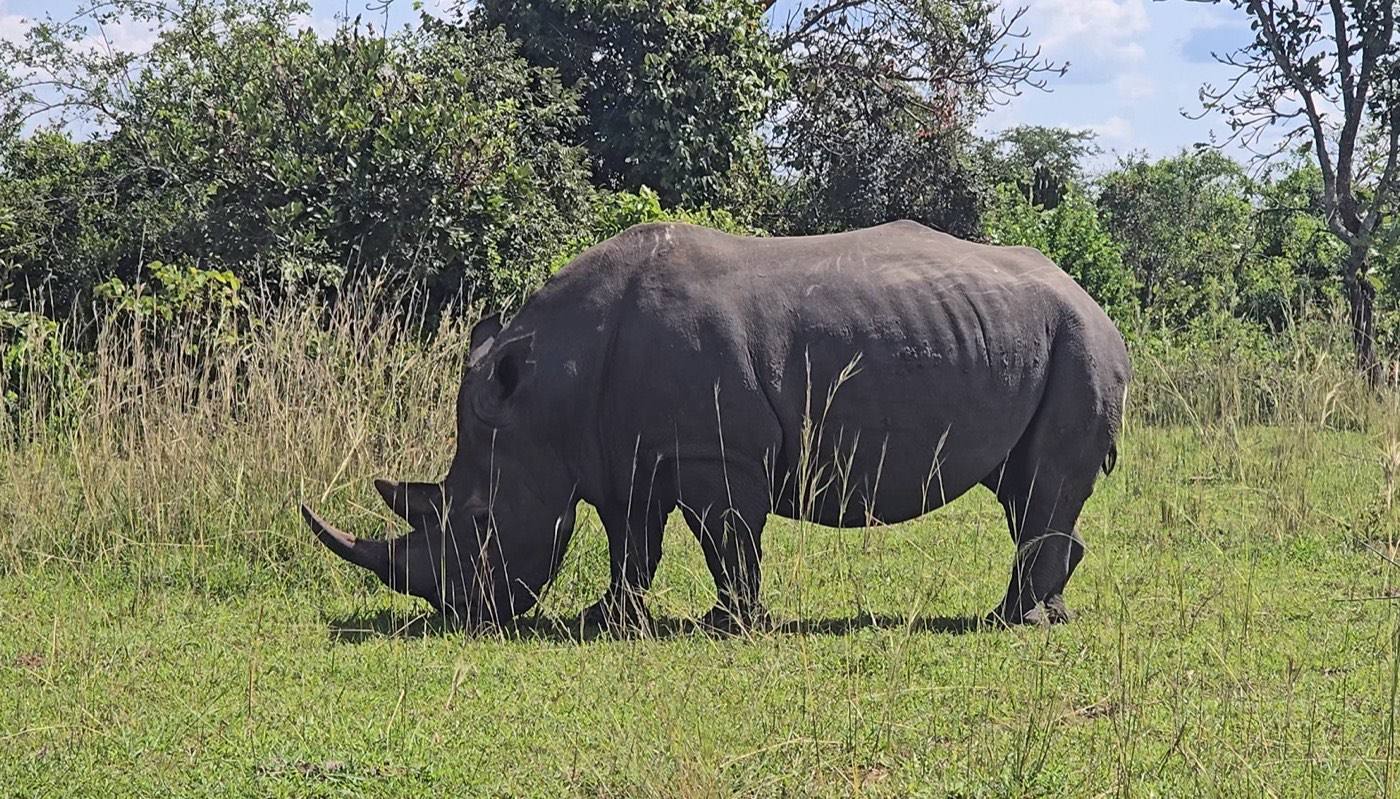
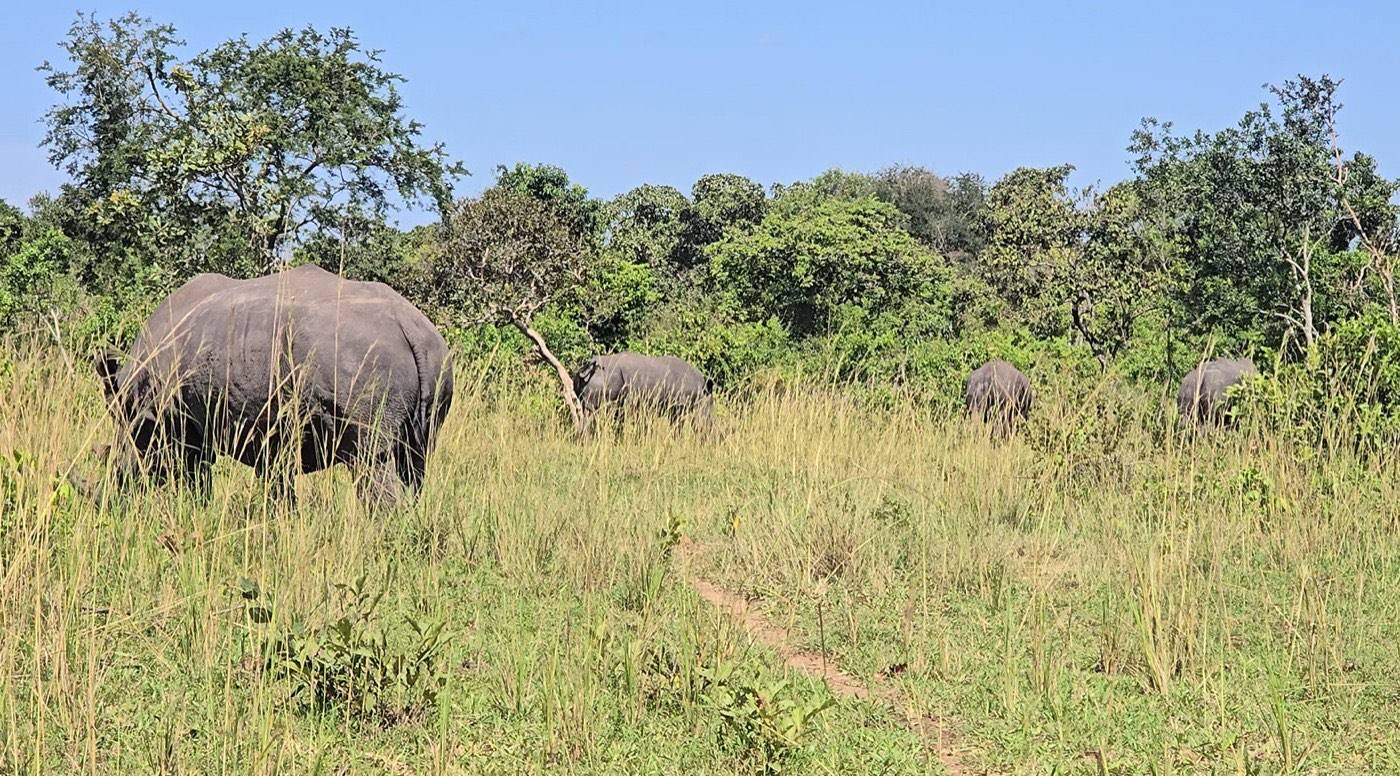
Ziwa is home to southern white rhinos, among the largest land mammals in the world. Adult males can weigh more than two tonnes and are characterized by their massive bodies, broad heads, and two distinctive horns. Despite their name, white rhinos are not actually white. Their skin is grey, and the name is commonly believed to have originated from a historical linguistic misunderstanding related to the broad shape of their mouths.
Unlike black rhinos, which have a pointed upper lip and feed primarily on leaves and branches, white rhinos have a wide, almost rectangular mouth adapted for grazing. They spend much of their time feeding, using their broad lips to graze on short grasses.
Despite their impressive size, white rhinos are generally relatively calm animals when they do not feel threatened. However, they can react extremely quickly when they sense danger, which is why observing them must always be done in accordance with established safety guidelines.
Walking Safari – Encountering Rhinos in Their Natural Habitat
One of the most fascinating experiences at Ziwa Rhino Sanctuary is the opportunity to observe rhinos on foot, accompanied by trained rangers. Unlike a traditional game drive, visitors explore the reserve's grasslands and wooded areas on foot, following the instructions of their guides.
The rangers are familiar with the individual rhinos, their habits, and their preferred feeding and resting areas. They determine the safest routes and the appropriate distance for observing these magnificent animals. Watching a rhino peacefully grazing in the savanna is a truly remarkable experience. Its enormous body, massive head, and slow, deliberate movements create an extraordinary impression of strength and tranquility.
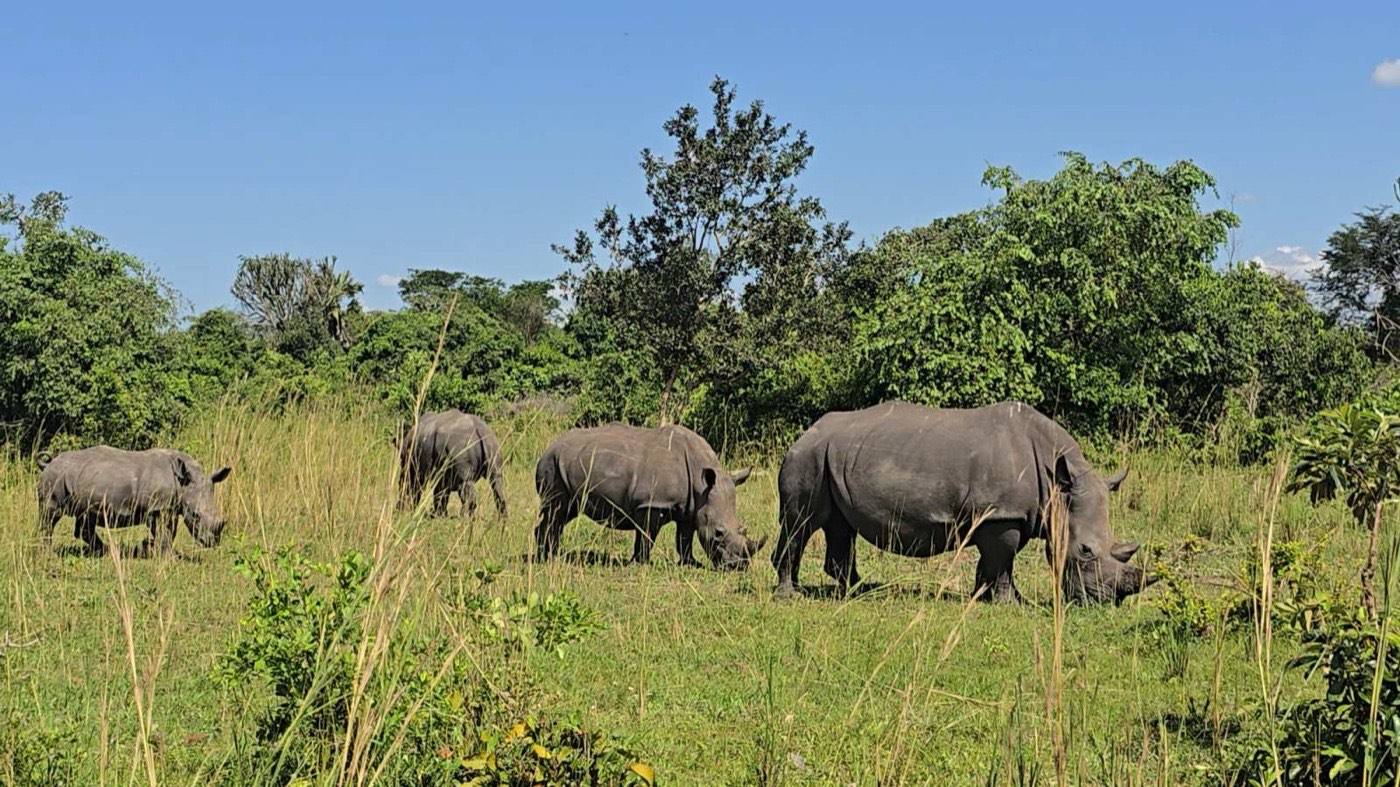
A walking safari also allows visitors to appreciate the smaller details of the natural environment – animal tracks on the ground, distinctive sounds, wildlife behavior, and the interactions between animals and their surroundings. Particularly fascinating are mothers with their young calves. Baby rhinos remain close to their mothers during the first years of their lives, gradually developing the skills and independence they need to survive on their own.
How Ziwa Is Helping Restore Uganda’s Rhino Population
Uganda’s rhino reintroduction program began with the arrival of a small group of southern white rhinos at Ziwa in 2005–2006. The goal was to establish a breeding population in a protected environment where the animals could be monitored, safeguarded, and provided with veterinary care whenever necessary.
Rhinos reproduce relatively slowly. The gestation period of a white rhino lasts approximately 16 months, and females typically give birth to just one calf at a time. Several years often pass between births. As a result, rebuilding a stable rhino population requires decades of consistent conservation efforts.
At Ziwa, the rhinos are closely monitored by specialized teams who track their health, breeding activity, and movements throughout the sanctuary. In March 2026, the Uganda Wildlife Authority began a historic translocation of southern white rhinos from Ziwa to Kidepo Valley National Park. This marked an important step toward restoring the species to Uganda’s national parks after decades of absence.
Why Is Rhino Conservation So Important?
Rhinos are not only among Africa’s most magnificent animals but also play an essential role in savanna ecosystems. As large herbivorous mammals, they influence the structure of vegetation through their grazing and movements. In doing so, they help maintain open grassland habitats that are also important for many other wildlife species.
The greatest threat to rhinos remains poaching for their horns. Despite widespread misconceptions about their supposed medicinal properties, rhino horns are made primarily of keratin – the same protein found in human hair and nails.
The story of Ziwa demonstrates just how challenging it is to restore a species once it has disappeared from its natural habitat. Every newborn rhino calf, every successfully protected group, and every step toward reintroducing these animals into national parks represents an important victory for wildlife conservation.
Uganda – A Country with Endless Wonders Yet to Be Discovered
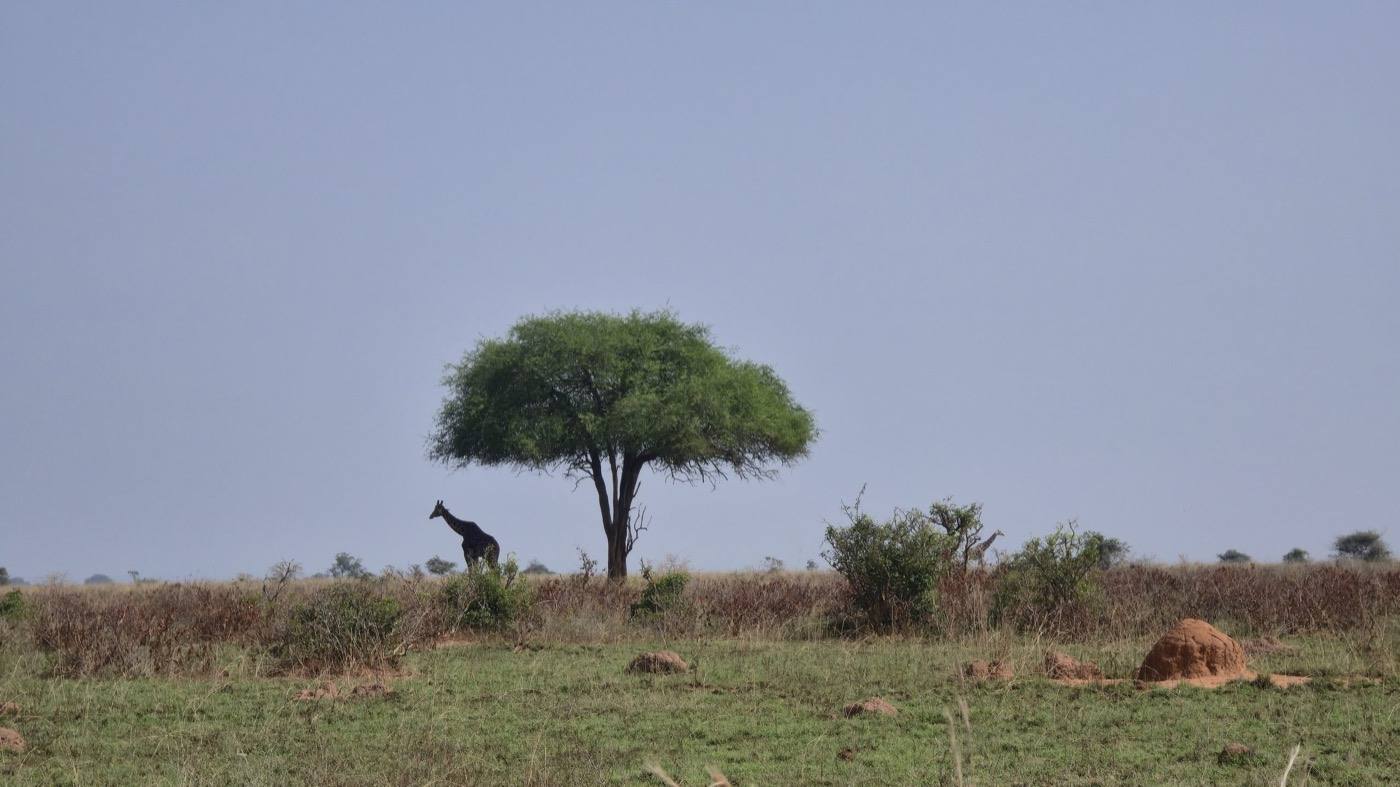
From the dry savannas of Pian Upe and the vast plains of Kidepo to the lush tropical forests of Bwindi and the protected landscapes of Ziwa, Uganda offers an extraordinary diversity of natural experiences.
Each of these destinations has its own unique story. In some places, it is the story of rare predators surviving among endless grasslands. In others, it is about mountain gorillas whose future depends on the preservation of ancient forests. And in places like Ziwa, nature reminds us that even after a species has disappeared from a region, its return is still possible.
This is what makes Uganda so special. It does not offer just one image of Africa, but many different worlds waiting to be discovered within a single journey.
If you dream of exploring Uganda beyond the usual tourist routes, I would love for us to share this adventure together.
Explore our carefully selected safari itineraries and discover the journey that inspires you the most.
Discover Your Adventure →