Part I | National Parks and Natural Wonders of Uganda
Uganda is a country where nature never ceases to amaze with its remarkable diversity. Here, vast savannas alternate with tropical forests, picturesque lakes, volcanic mountains, and spectacular waterfalls. Within a single journey, you can encounter lions, elephants, and giraffes, cruise along the waters of the Nile, enjoy walking safaris among wildlife, and discover the beauty of lush green mountain slopes.
Known as the “Pearl of Africa,” Uganda is home to ten national parks and numerous other protected areas, each with its own unique character and natural treasures. Thanks to its geographical location, the country brings together a remarkable variety of ecosystems – from the lush tropical forests of the west to the dry savannas of the northeastern regions.
Unlike some of Africa’s most popular safari destinations, Uganda offers the opportunity to experience unspoiled nature in a relatively peaceful and uncrowded setting. Here, the adventure goes far beyond simply observing Africa’s iconic large mammals. It includes encounters with local communities, guided nature walks, boat safaris, and the chance to explore some of the continent’s most breathtaking landscapes.
In the first part of our journey, I will take you to three of Uganda’s most fascinating national parks – Queen Elizabeth, Murchison Falls, and Lake Mburo – as well as the picturesque Sipi Falls. Four distinct destinations that reveal just how diverse and extraordinary the natural beauty of this African country can be.
1. Queen Elizabeth National Park – The Kingdom of Lions, Elephants, and the Kazinga Channel
Located in western Uganda, between Lake George and Lake Edward, Queen Elizabeth National Park is one of the country's most visited and biologically diverse national parks. Covering approximately 1,978 square kilometers, it stretches across the western branch of the East African Rift System, known as the Albertine Rift. The park was established in 1952 under the name Kazinga National Park and was renamed in 1954 in honor of Britain's Queen Elizabeth II.
One of the park's most remarkable features is its diversity of natural habitats. Its landscapes include open savannas, wetlands, tropical forests, volcanic craters, lakes, and river ecosystems. This rich variety provides suitable habitats for approximately 95 species of mammals and more than 600 species of birds, making Queen Elizabeth an exceptional destination for wildlife enthusiasts.
Kasenyi Plains – A Safari Among Predators and Antelopes
The Kasenyi Plains are among the best areas in the park for a game drive. The landscape is dominated by open grasslands, offering excellent visibility for wildlife observation.
One of the most characteristic inhabitants of this area is the Uganda kob, a species of antelope frequently seen in large groups. Males are distinguished by their curved horns and territorial behavior, particularly during the breeding season.
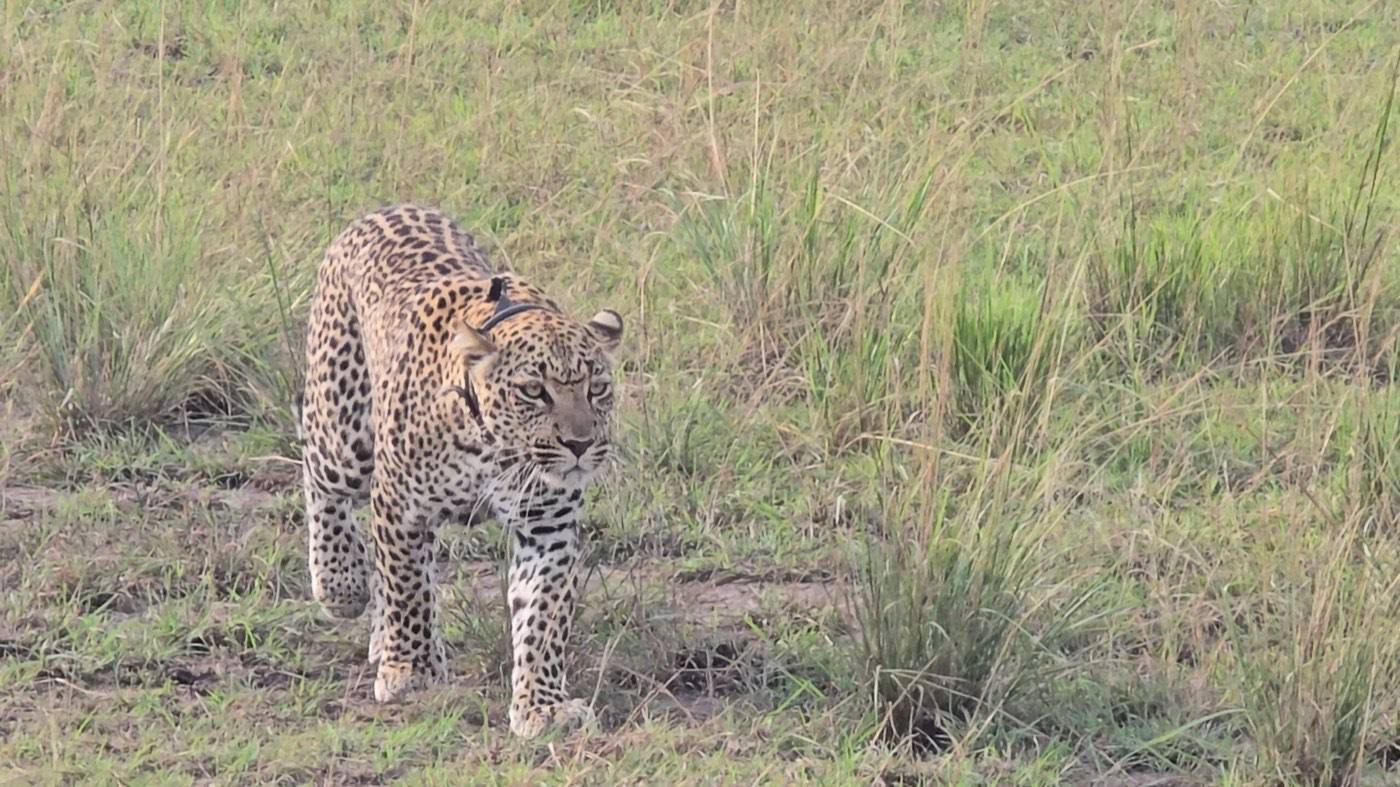
The abundance of herbivores also attracts predators. Lions can often be spotted in Kasenyi, using the tall grasses as cover while hunting. Leopards, hyenas, and other carnivorous species also inhabit the area.
Early mornings and late afternoons are particularly suitable for game drives, as temperatures are cooler and many animals are more active before the sun reaches its highest point. Although wildlife sightings can never be guaranteed, every safari offers different opportunities and unexpected encounters.
Ishasha – The Extraordinary Tree-Climbing Lions
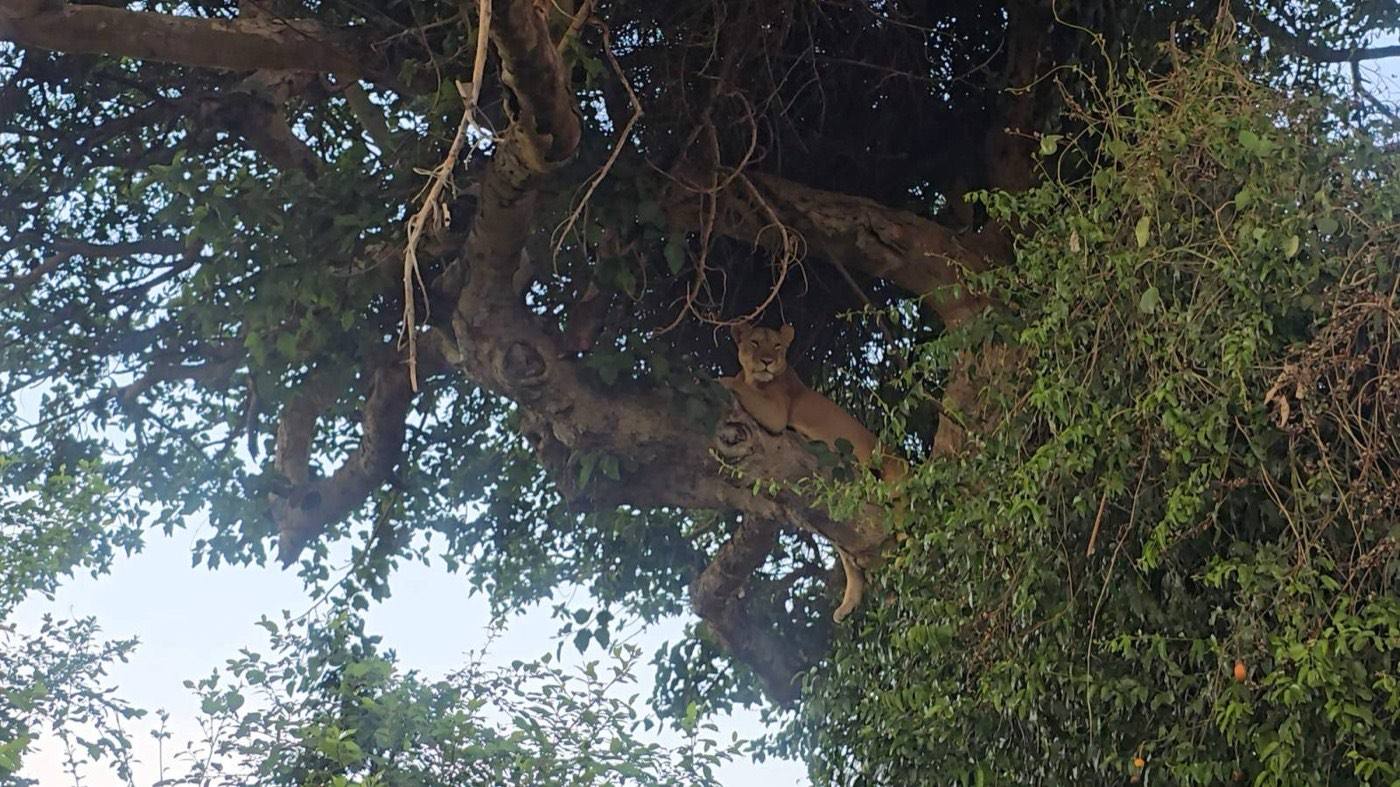
In the southern part of Queen Elizabeth National Park lies the Ishasha sector, famous for one of the most unusual lion populations in Africa. Unlike most lions, which spend much of their time on the ground, some of the lions in Ishasha regularly climb trees, resting on the broad branches of large fig trees. This behavior is relatively rare and has made the area one of Uganda’s most fascinating safari destinations.
There are several theories as to why these lions choose to rest in trees. One suggests that they seek cooler temperatures and better air circulation. Another proposes that climbing trees helps them escape bothersome insects on the ground. The elevated position may also provide a better view of their surroundings.
The lions of Ishasha are of significant conservation importance. In September 2026, the Uganda Wildlife Authority and the Wildlife Conservation Society announced a joint initiative aimed at strengthening conservation efforts and supporting the recovery of the lion population in the area. In addition to lions, visitors may encounter elephants, buffaloes, topi antelopes, and other wildlife inhabiting the open savannas and woodlands of Ishasha.
Kazinga Channel – Life Along the Water
One of the most remarkable natural attractions of Queen Elizabeth National Park is the Kazinga Channel – a natural waterway approximately 32 kilometers long that connects Lake George and Lake Edward. The channel is an exceptionally important ecosystem, providing water and habitats for a wide variety of wildlife.
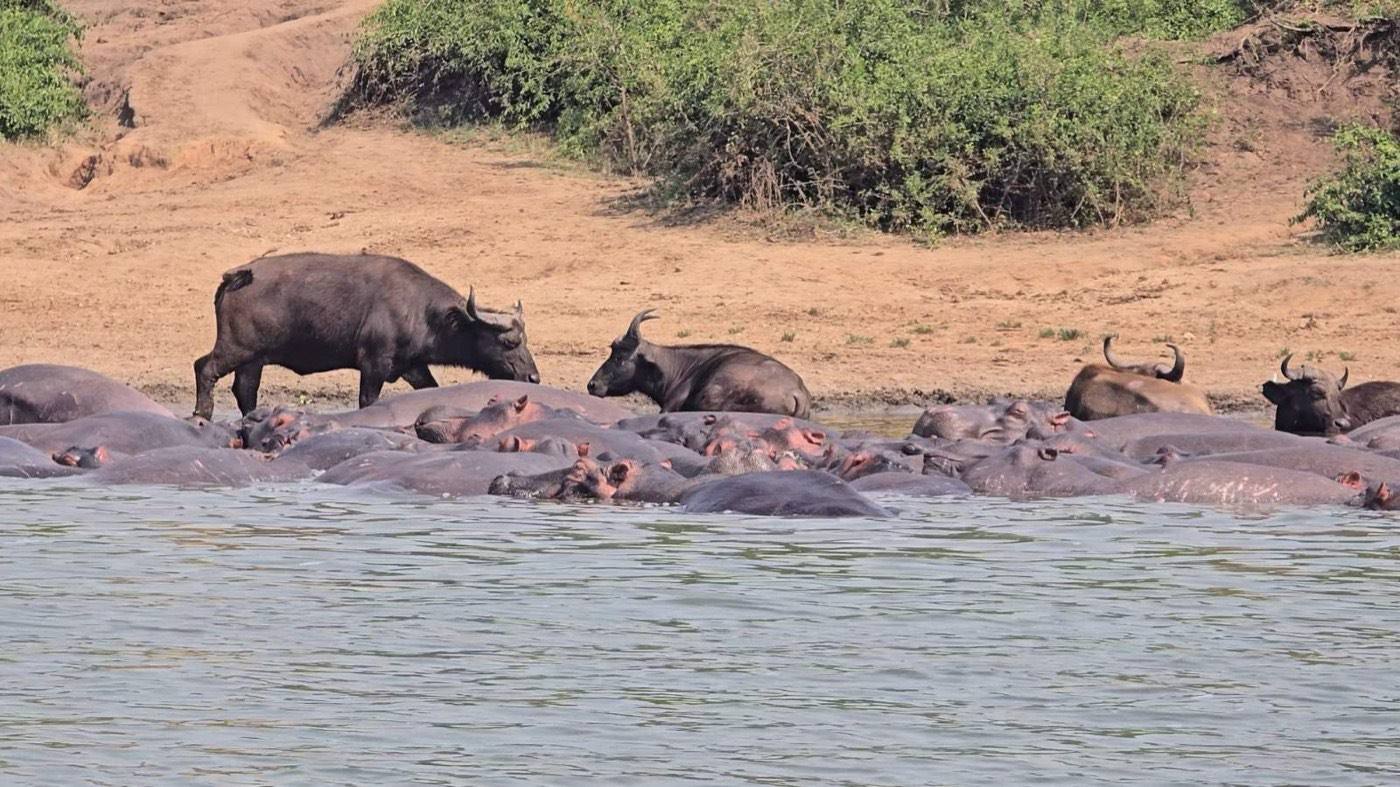
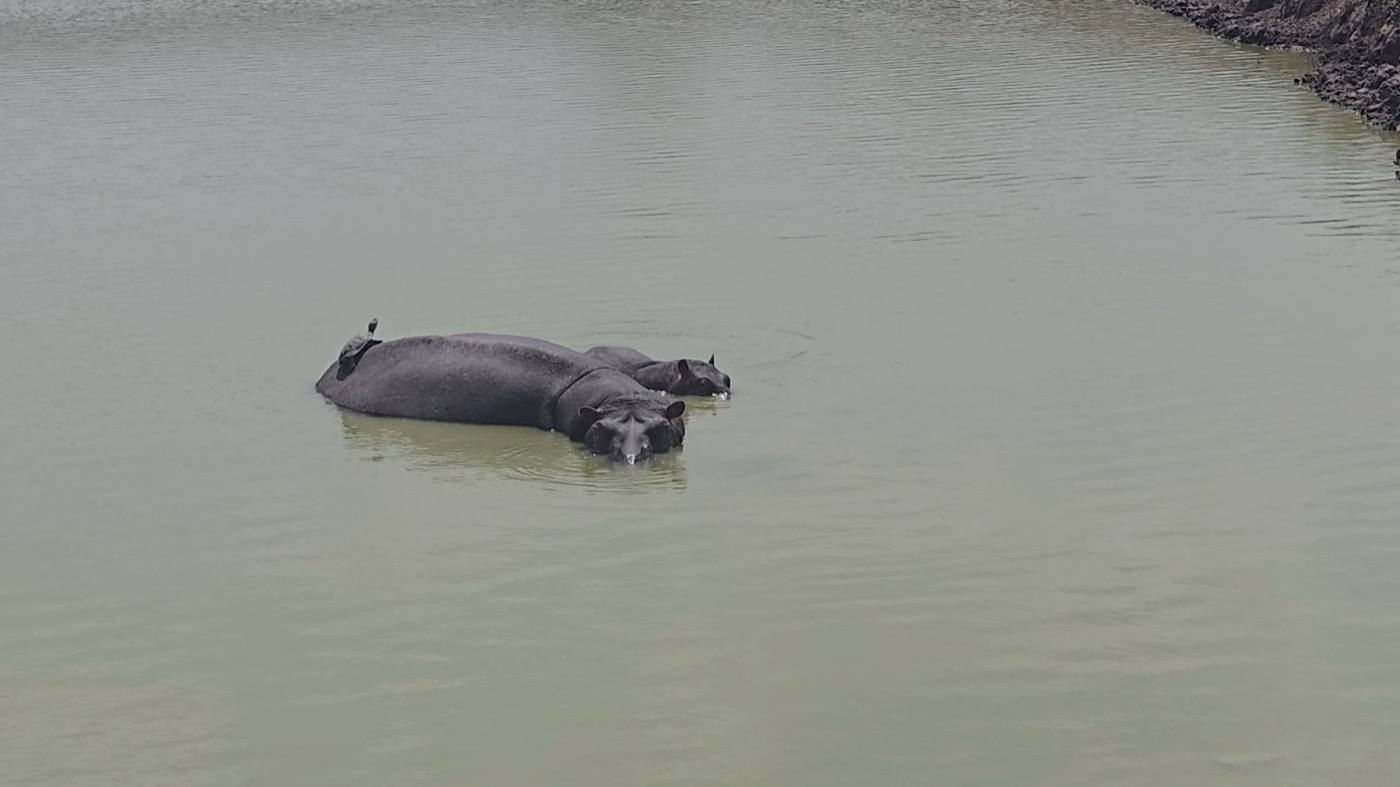
A boat safari along the Kazinga Channel is one of the most exciting experiences the park has to offer. Along its shores, visitors can observe large groups of hippos, Nile crocodiles, buffaloes, and elephants coming down to drink. One particularly impressive sight is a herd of elephants making its way to the water's edge. The adults often use their trunks to spray themselves with water, while the calves play together under the watchful eyes of their mothers.
The Kazinga Channel is also a true paradise for birdwatchers. Pelicans, cormorants, herons, African fish eagles, kingfishers, and numerous other bird species can be spotted here. A boat safari offers a unique perspective on wildlife, allowing visitors to observe animals in their natural environment without disturbing their natural behavior.
Crater Lakes and Hidden Natural Treasures
Queen Elizabeth National Park is also known for its volcanic craters, formed by ancient volcanic activity. Some of these craters have filled with water, while others remain deep depressions covered in vegetation. The area offers breathtaking panoramic views of the savannas, lakes, and the Rwenzori Mountains. Among the park’s lesser-known attractions are Maramagambo Forest and Kyambura Gorge, where various species of primates can be found, including chimpanzees.
This remarkable diversity makes Queen Elizabeth much more than a destination for a traditional safari. The park offers visitors the opportunity to explore different ecosystems and gain a deeper understanding of the complex relationships between wildlife, vegetation, water, and the surrounding landscape.
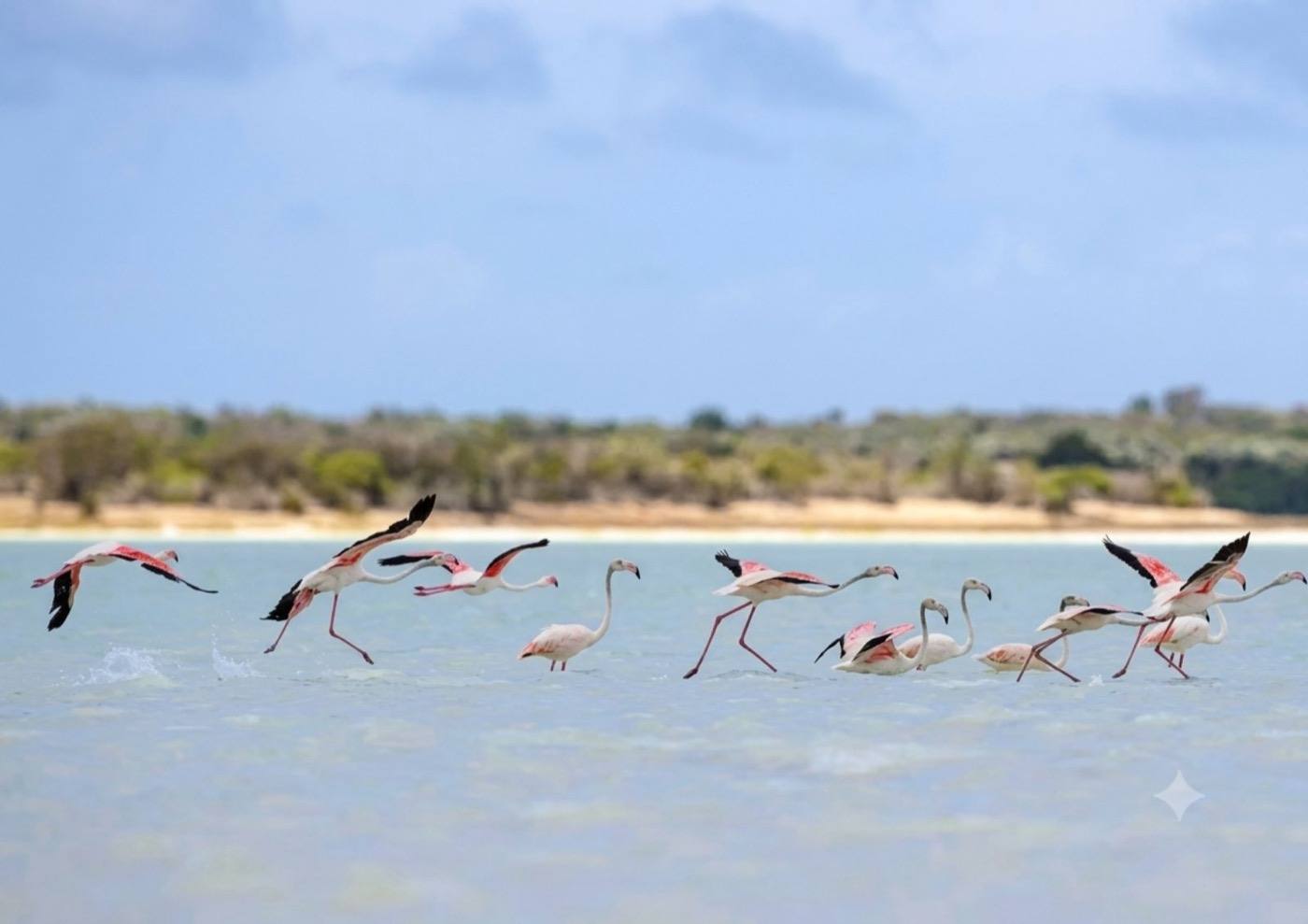
Murchison Falls National Park – Where the Nile Reveals Its Power
Located in northwestern Uganda, Murchison Falls National Park is the largest national park in the country, covering approximately 3,893 square kilometers. Established in 1952, it is one of Uganda’s oldest national parks, renowned for its vast savannas, diverse wildlife, and the magnificent Murchison Falls.
The Victoria Nile flows through the park, dividing it into two main sections. The northern part is characterized by open grasslands and savanna vegetation, while the southern part is dominated by woodlands and denser vegetation. The river plays a vital role in the ecosystem, providing water for numerous animals, creating wetland habitats, and attracting a remarkable variety of bird species.
Murchison Falls – One of Africa’s Most Spectacular Natural Wonders
The park’s most famous attraction is Murchison Falls, where the immense volume of water from the Victoria Nile is forced through a rocky gorge approximately seven meters wide before plunging about 43 meters below. The narrow passage creates an incredibly powerful flow of water. The thunderous roar of the falls can be heard from a distance, while clouds of mist continuously rise above the rocks. When sunlight catches the spray at the right angle, beautiful rainbows appear.
One of the most exciting ways to experience the power of the waterfall is by visiting Top of the Falls, a viewpoint where visitors can observe the water just before and after it rushes through the narrow gorge. From here, you can witness the remarkable transformation of the wide river as it suddenly narrows into a powerful, turbulent torrent.
The waterfall is named after the British geologist Roderick Murchison. European explorers John Hanning Speke and James Grant, followed by Samuel Baker, contributed to the geographical exploration of the region during the 19th century. Baker reached the waterfall in 1864 and named it Murchison Falls.
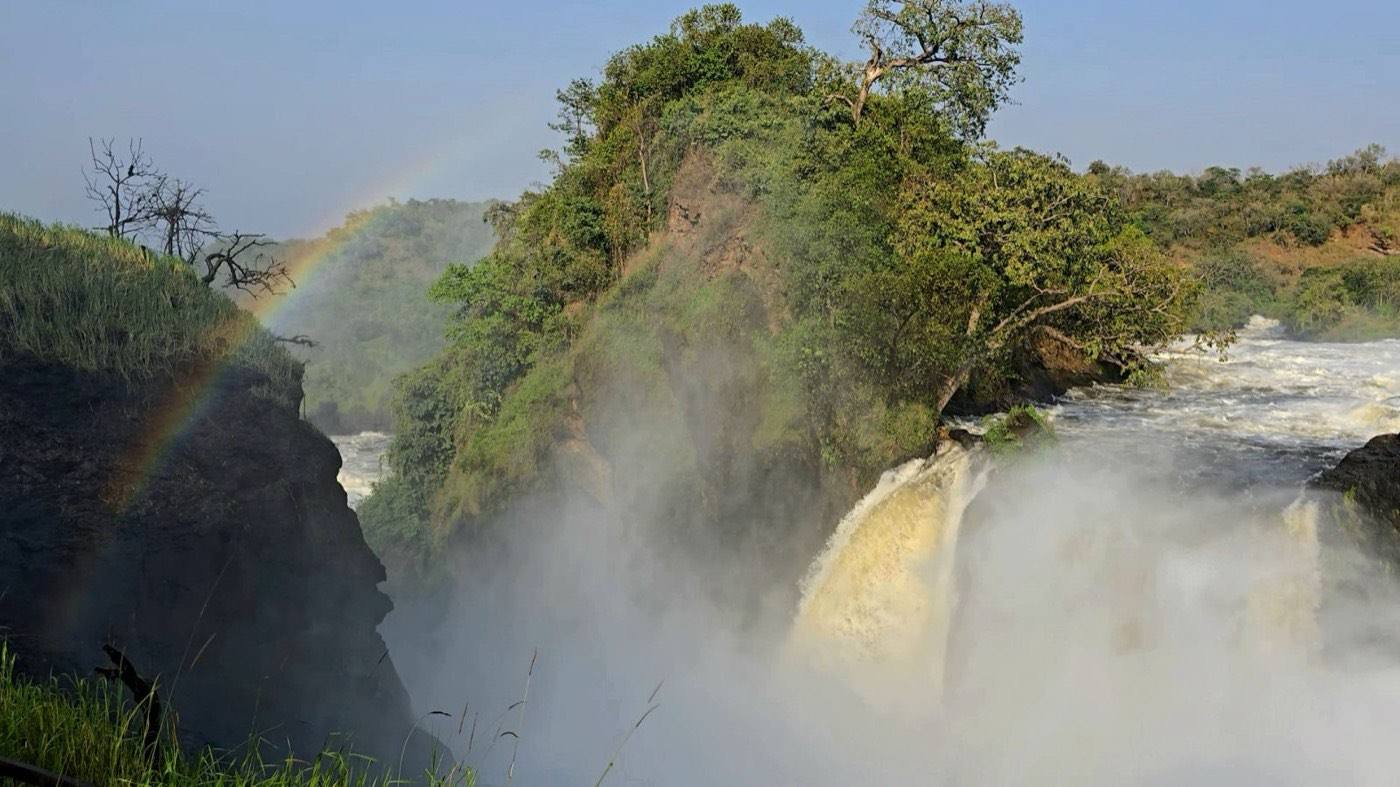
The Northern Savannas – Home to Giraffes, Elephants, and Predators
The northern part of the park offers some of the best opportunities for game drives in Uganda. Here, visitors can observe large herds of Uganda kob, buffaloes, elephants, waterbucks, hartebeests, and oribi.
Among the most impressive animals are the giraffes, known for their remarkable height, distinctive coat patterns, and graceful movements. They spend much of their time searching for food, using their long necks and flexible tongues to reach leaves high in the trees. Murchison Falls National Park plays a particularly important role in the conservation of northern giraffes in Uganda.
The park is also home to large predators, including lions, leopards, and spotted hyenas. Lions often hunt across the open grasslands, while leopards prefer areas with more cover. These solitary predators are known for their remarkable climbing abilities and sometimes carry their prey into the branches of trees. A morning game drive offers an excellent opportunity to observe wildlife during the cooler hours, before the heat of the day sets in.
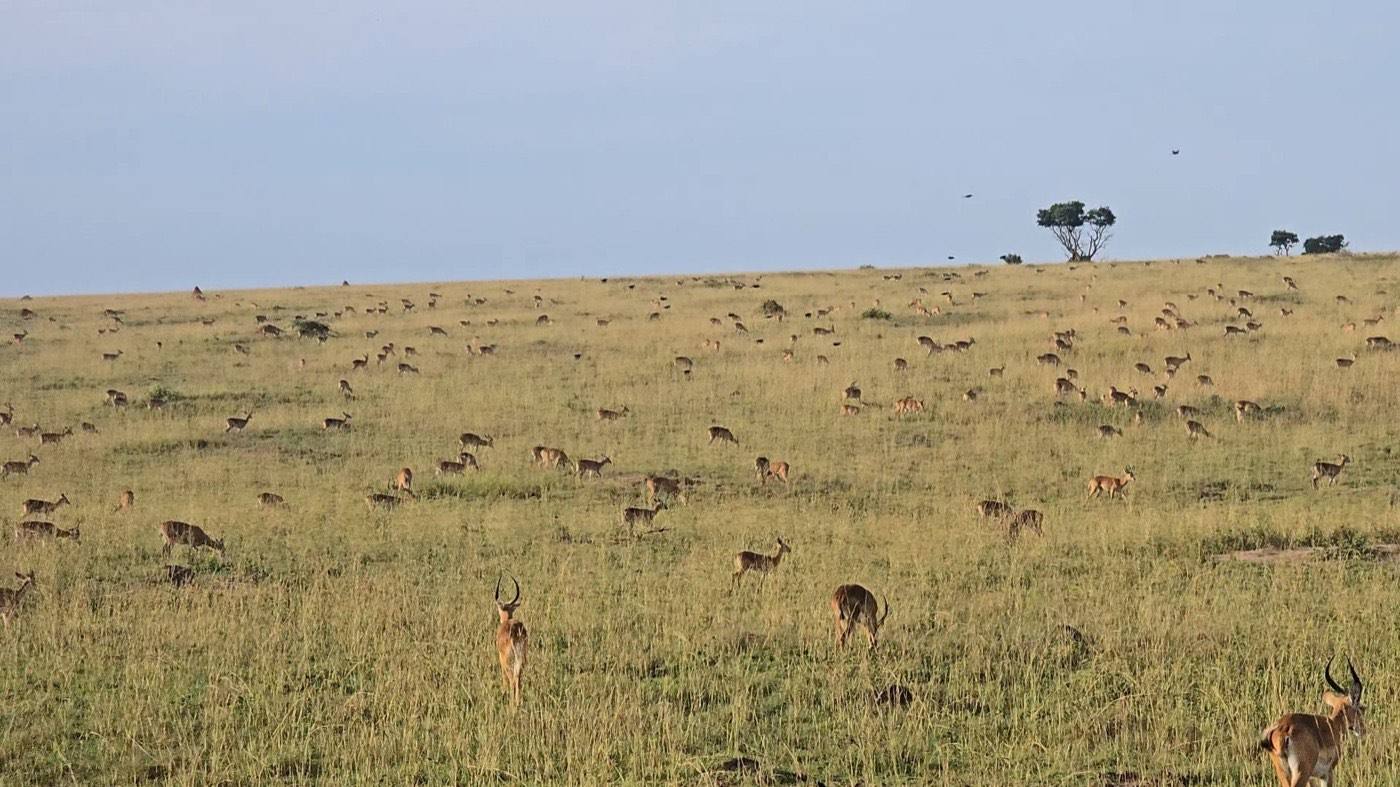
Boat Safari on the Nile – Discovering Life Along the River
One of the most popular experiences in Murchison Falls National Park is a boat safari along the Victoria Nile to the base of the magnificent waterfall.
As you cruise along the river, an entirely different world unfolds. Hippos can often be seen in the water, spending much of the day submerged to protect their skin from the intense sun. Along the riverbanks, Nile crocodiles frequently rest in the sunshine, using its warmth to regulate their body temperature.
Elephants and buffaloes can also be spotted near the water, especially during the warmer hours of the day. Birdlife is another remarkable highlight of this experience. Among the characteristic species are African fish eagles, various species of herons, cormorants, bee-eaters, and kingfishers.
As the boat approaches the waterfall, the thunderous roar of the rushing water gradually grows louder, revealing the breathtaking power of the falls.
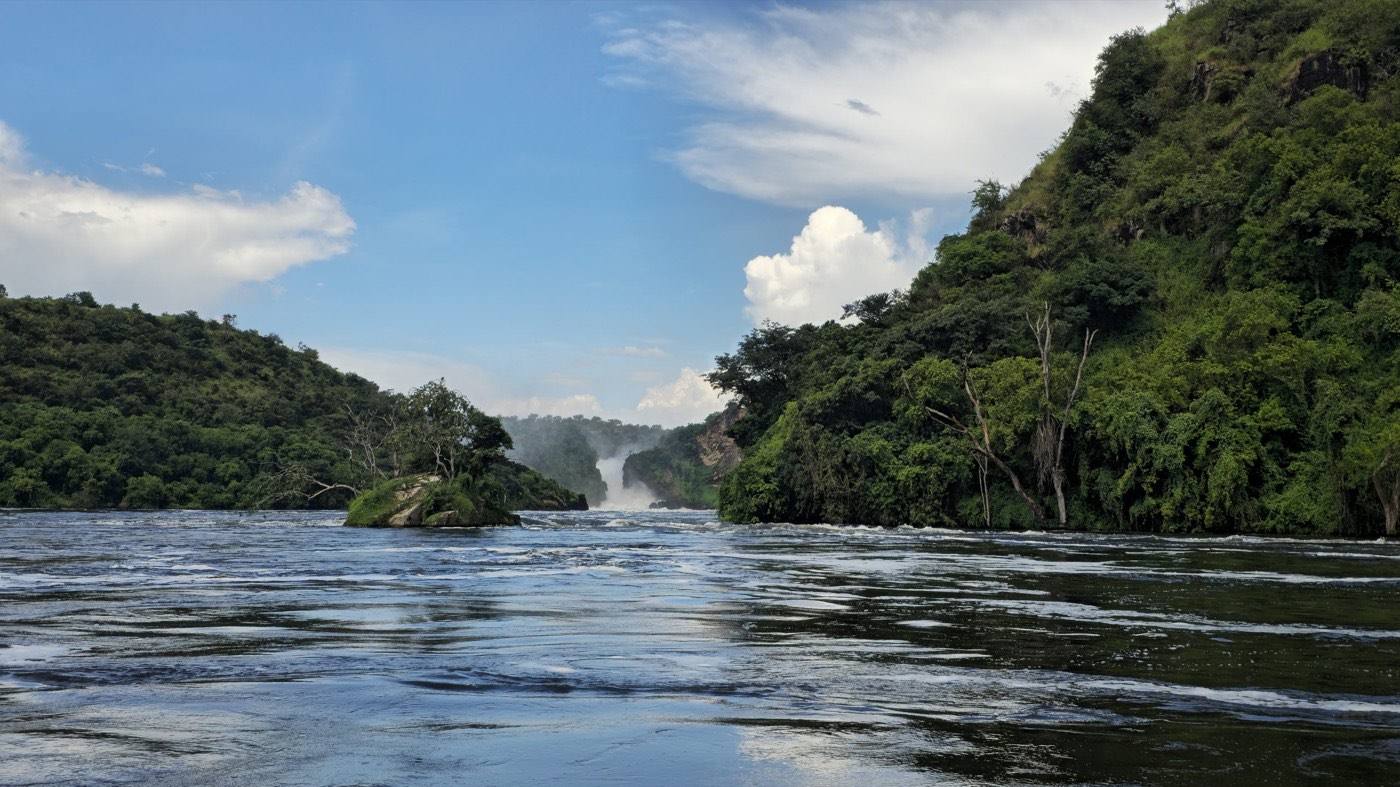
The Nile Delta and the Rare Shoebill
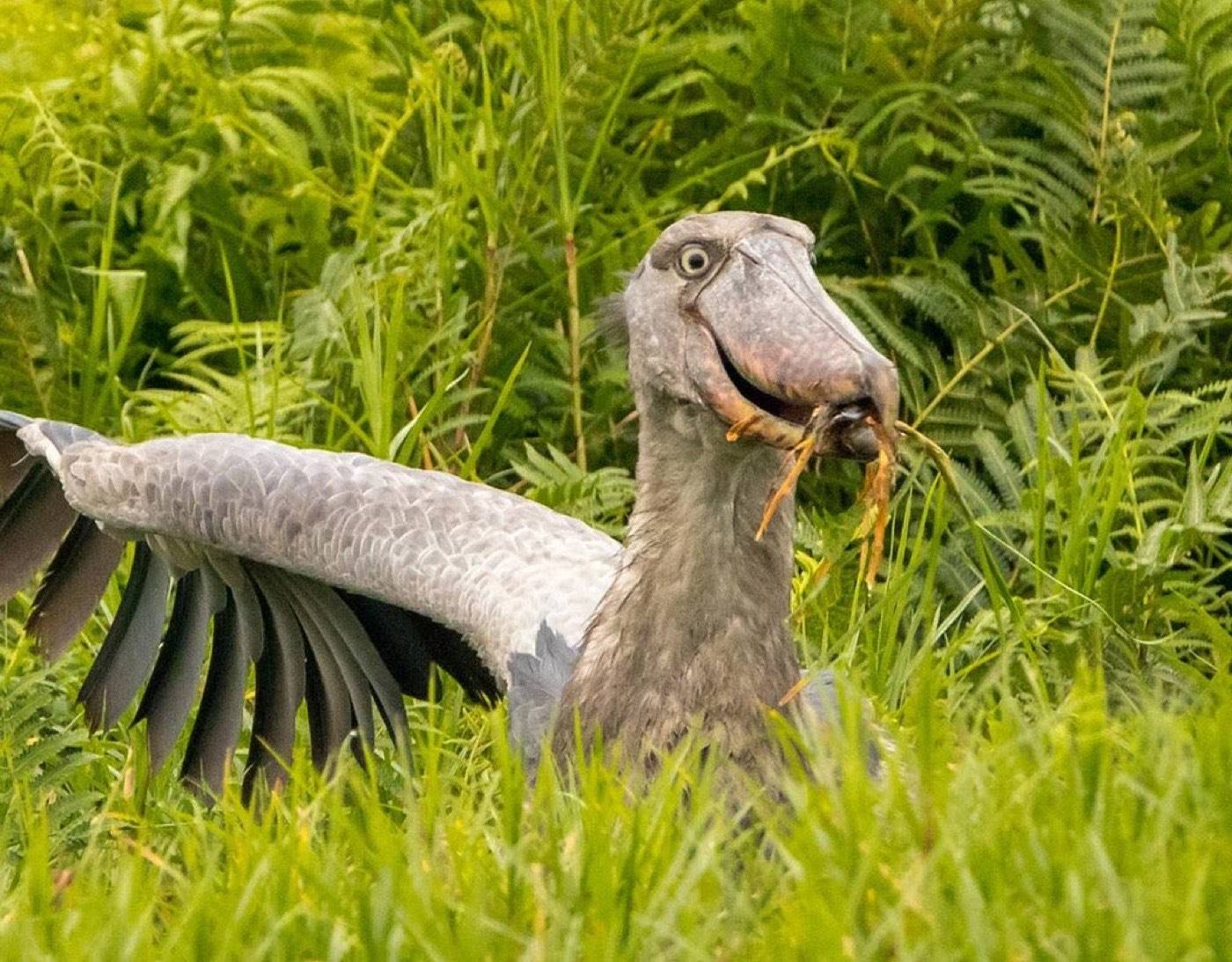
In the western part of the park, the Victoria Nile flows into Lake Albert, forming a delta with extensive wetlands and rich aquatic vegetation. This area is particularly fascinating for birdwatching. One of the most sought-after species is the shoebill – an extraordinary bird with a massive, shoe-shaped bill. It inhabits swamps and wetlands, where it feeds primarily on fish. The shoebill often remains almost motionless for long periods, patiently waiting for the perfect moment to catch its prey. Sightings of this rare bird are never guaranteed, but the possibility of encountering one makes the delta especially attractive to birdwatchers and ornithologists.
Murchison Falls National Park combines a magnificent waterfall, classic African safari experiences, and the remarkable biodiversity of one of Africa’s most famous rivers. It is precisely this diversity that makes the park one of Uganda’s most extraordinary natural destinations.
3. Lake Mburo National Park – A Walking Safari Among Zebras, Giraffes, and Antelopes
Located in southwestern Uganda, between the towns of Masaka and Mbarara, Lake Mburo National Park is one of the smallest yet most fascinating national parks in the country. Covering approximately 370 square kilometers, the park offers a different experience from Uganda’s larger safari destinations. Here, nature feels more intimate, landscapes change over relatively short distances, and visitors have the opportunity to experience wildlife in a more personal and immersive way.
Lake Mburo was designated a national park in 1983, and its history is closely connected to the relationship between wildlife conservation and the traditional livestock farming practices of local communities. The natural landscape includes rolling savannas, acacia woodlands, rocky hills, wetlands, and lakes. This mosaic of habitats supports a remarkable variety of wildlife species, despite the park’s relatively small size.
Zebras – One of the Symbols of Lake Mburo
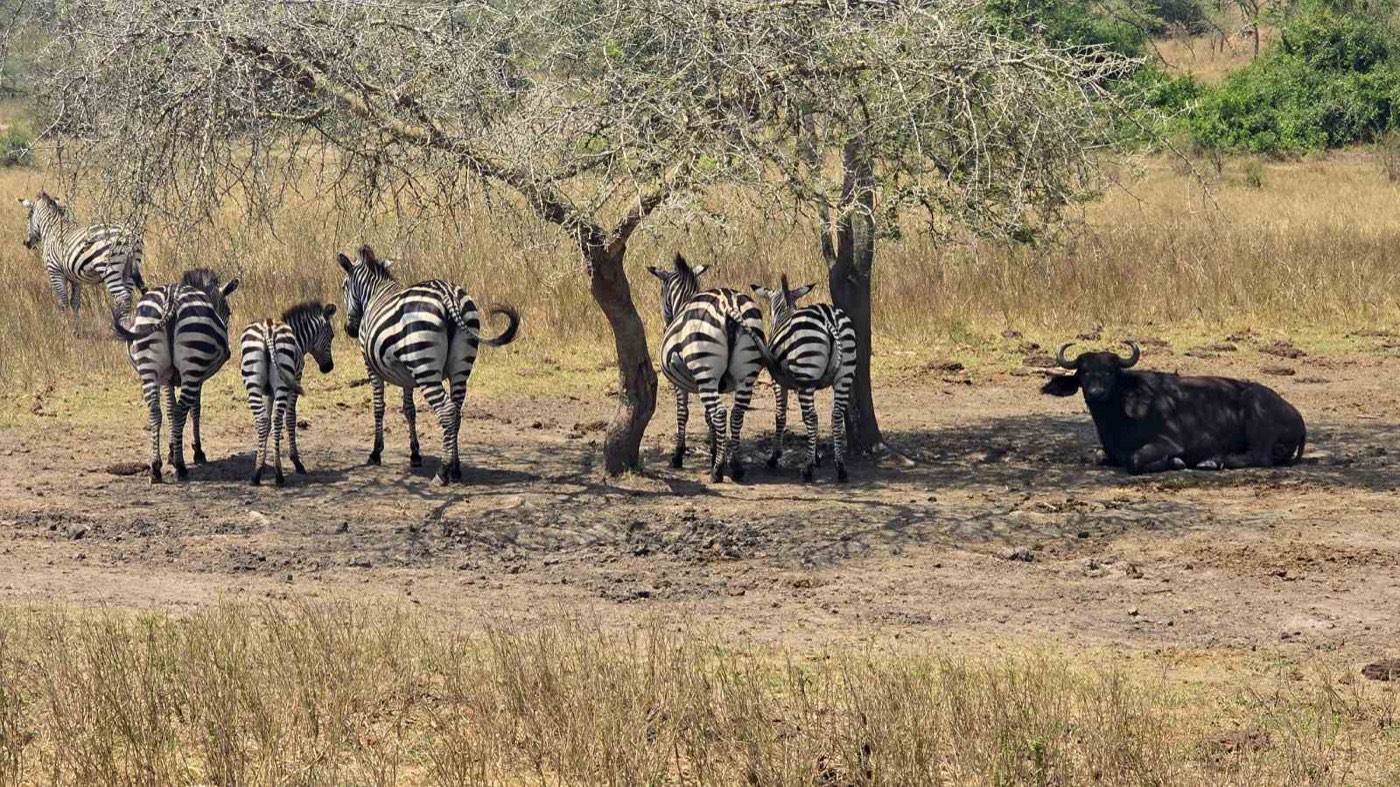
Among the park’s most characteristic inhabitants are the plains zebras, which can often be seen grazing in small or large herds across the open grasslands. Their distinctive black-and-white stripes are unique to each individual. No two zebras have exactly the same pattern, allowing researchers to identify individual animals during wildlife observations and scientific studies. Zebras are highly social animals that live in groups with complex relationships. They communicate through vocalizations, ear movements, facial expressions, and body posture.
In the wild, zebras can often be seen grazing alongside other herbivores. This coexistence offers certain advantages, as different species can help one another detect approaching predators. An interesting fact is that newborn zebras can stand on their feet relatively soon after birth. This ability is essential for their survival in the savanna, where being able to keep up with the herd can mean the difference between life and death.
Impalas and the Park’s Other Wildlife
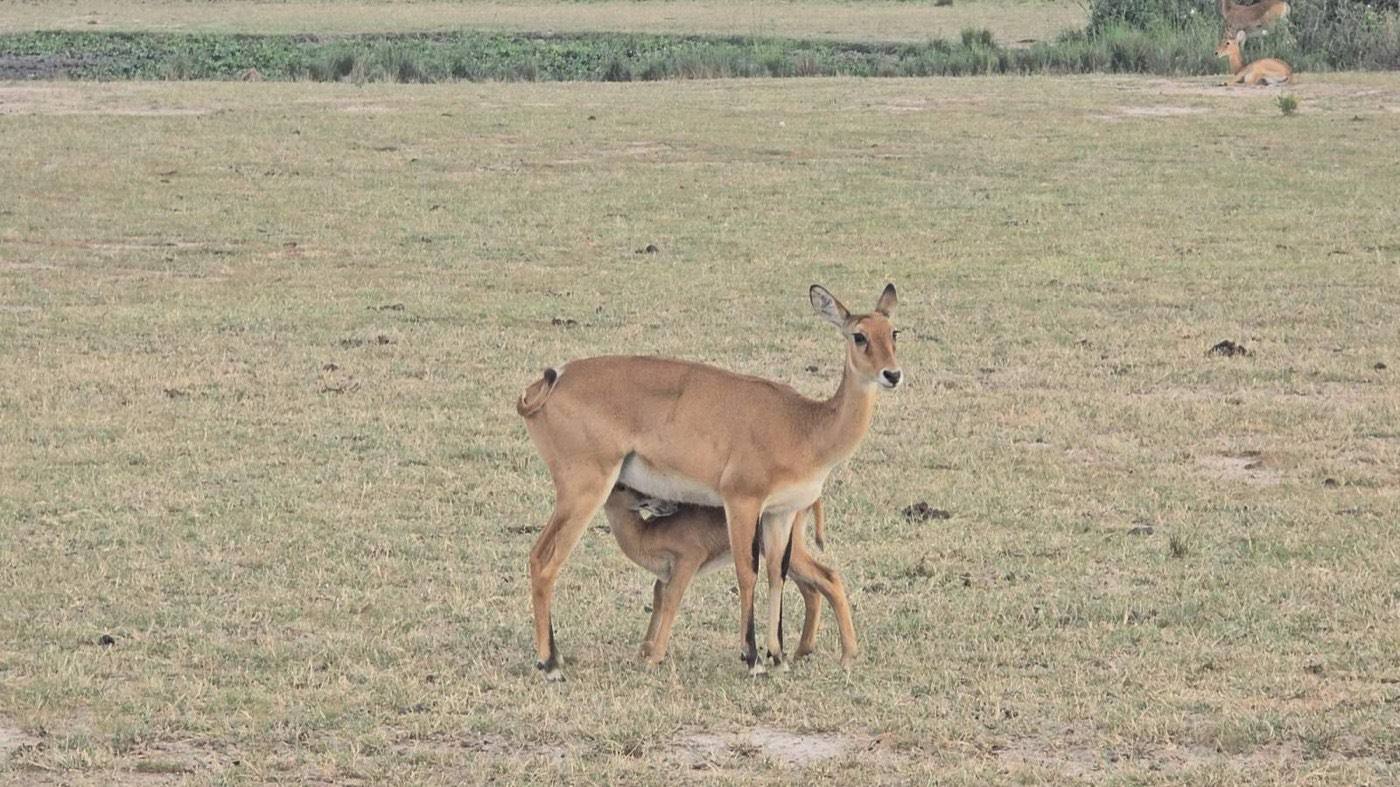
Lake Mburo National Park is particularly well known for its population of impalas – elegant antelopes with reddish-brown coats and distinctive lyre-shaped horns in males. These remarkably agile animals are capable of making impressive leaps when escaping danger. They primarily inhabit open woodlands and grasslands, often near water sources.
Other herbivores found in the park include topi, elands, waterbucks, bushbucks, and African buffaloes. Particularly impressive are the elands – the largest antelopes in Africa. Despite their considerable size, they can move surprisingly fast and leap over obstacles with remarkable agility.
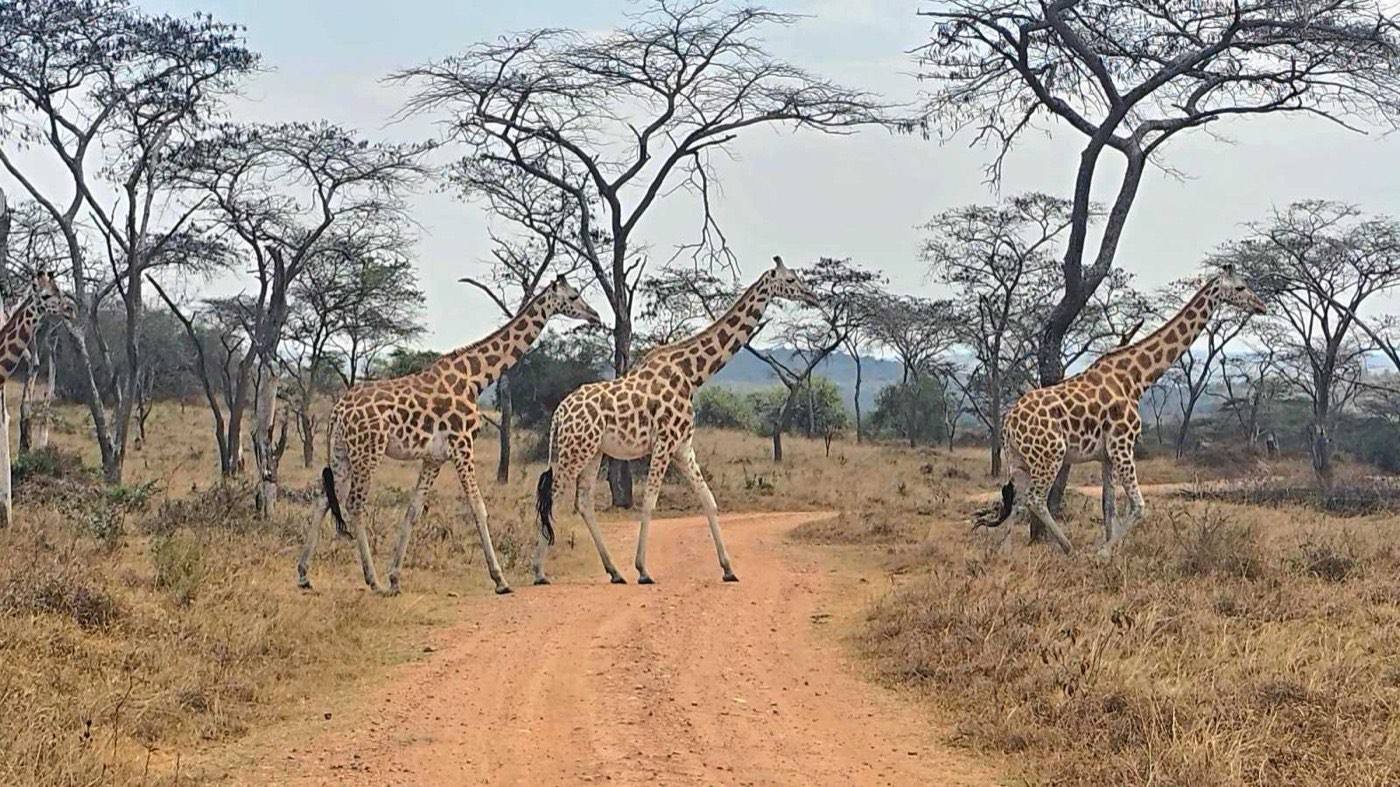
Giraffes are also part of Lake Mburo’s wildlife. They were reintroduced to the park in 2015 as part of conservation efforts to restore and enrich the local fauna. Among the park’s predators are leopards and spotted hyenas. Leopards are predominantly solitary and elusive animals, making sightings relatively rare.
Walking Safari – Becoming Part of the Landscape
One of the greatest advantages of Lake Mburo National Park is the opportunity to enjoy a guided walking safari with a trained guide. Unlike a traditional game drive, where you observe wildlife from a vehicle, here you can explore designated areas of the savanna on foot. This experience offers an entirely different sense of connection with nature.
Imagine walking across the open grasslands. Not far away, zebras graze peacefully, while in the distance, a giraffe stretches its long neck to reach the branches of an acacia tree. The air is filled with birdsong, and sweeping views of the surrounding hills unfold around you. During the walk, your guide explains how to identify the tracks of different animals, which plants are traditionally used by local communities, and how the ecosystem functions.
A walking safari is not necessarily about getting as close to the animals as possible. Quite the opposite – one of its most important purposes is to learn how to observe wildlife calmly, from a safe distance, without disturbing the animals’ natural behavior.
Lake Mburo and the Richness of Its Wetlands
Lake Mburo is part of a larger system of lakes and wetlands that play an important ecological role. These habitats provide a home for hippos, crocodiles, waterbirds, and numerous other species.
The park’s birdlife is particularly fascinating. More than 300 bird species have been recorded here, including African fish eagles, herons, cormorants, kingfishers, and many other species characteristic of wetland and savanna ecosystems. Protecting these habitats is essential not only for wildlife conservation but also for maintaining the region’s water balance and ecological processes.
Lake Mburo is a wonderful example of how a safari does not necessarily need to include an encounter with a lion or leopard to be unforgettable. Sometimes, the most precious moments come from peaceful walks through nature, watching herds of animals, and discovering the small details that make every ecosystem unique.
4. Sipi Falls – Majestic Waterfalls Amid the Lush Green Slopes of Mount Elgon
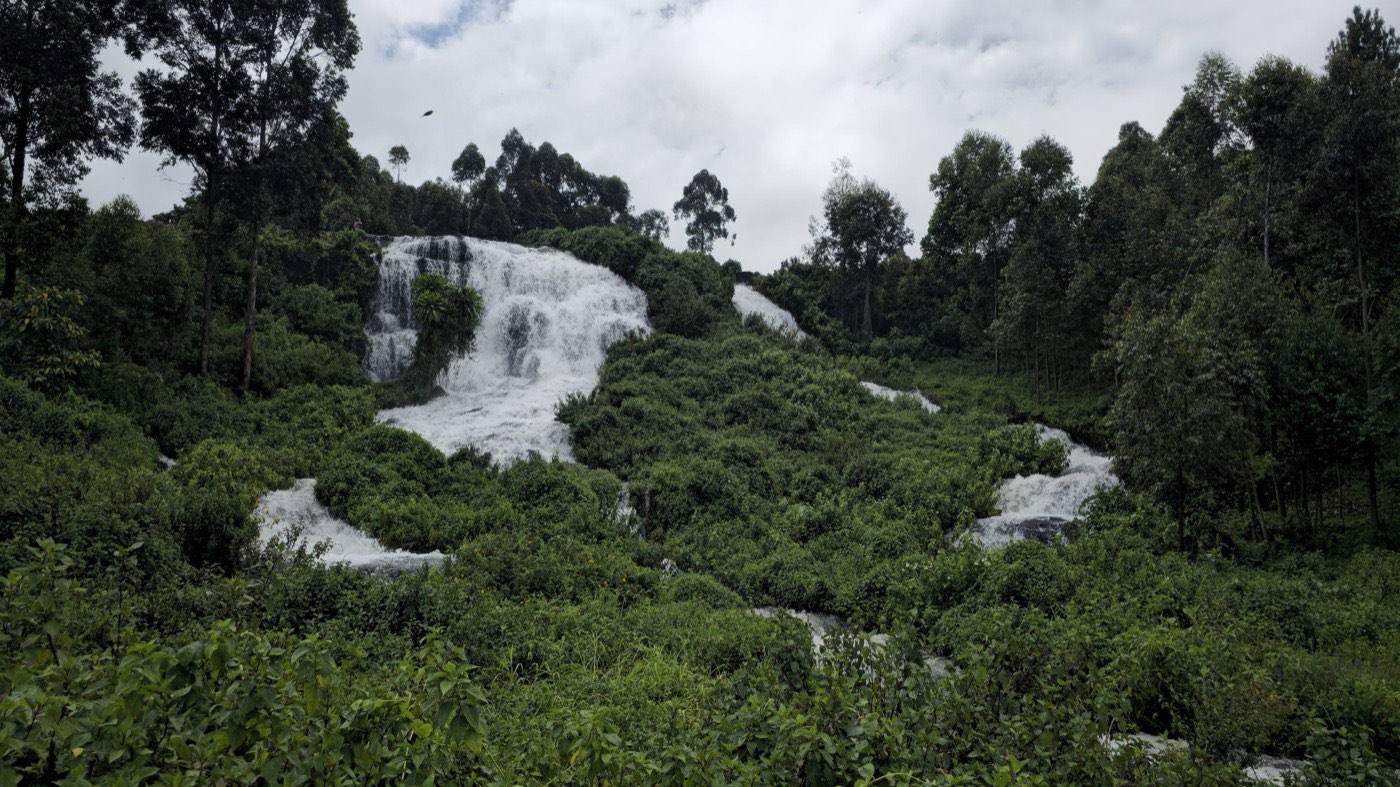
Located in eastern Uganda, near the town of Kapchorwa and at the foothills of Mount Elgon, Sipi Falls is one of the country's most beautiful natural attractions. Unlike national parks, where the main experience revolves around wildlife viewing, the Sipi region attracts visitors with its spectacular waterfalls, mountain landscapes, hiking trails, and traditional coffee plantations.
Situated at a relatively high altitude, the area enjoys a cooler climate and exceptionally lush vegetation. The landscape is shaped by steep slopes, rocky cliffs, valleys, and cultivated farmland, creating a breathtaking combination of natural beauty and traditional rural life.
The Three Waterfalls – Different Faces of the Same River
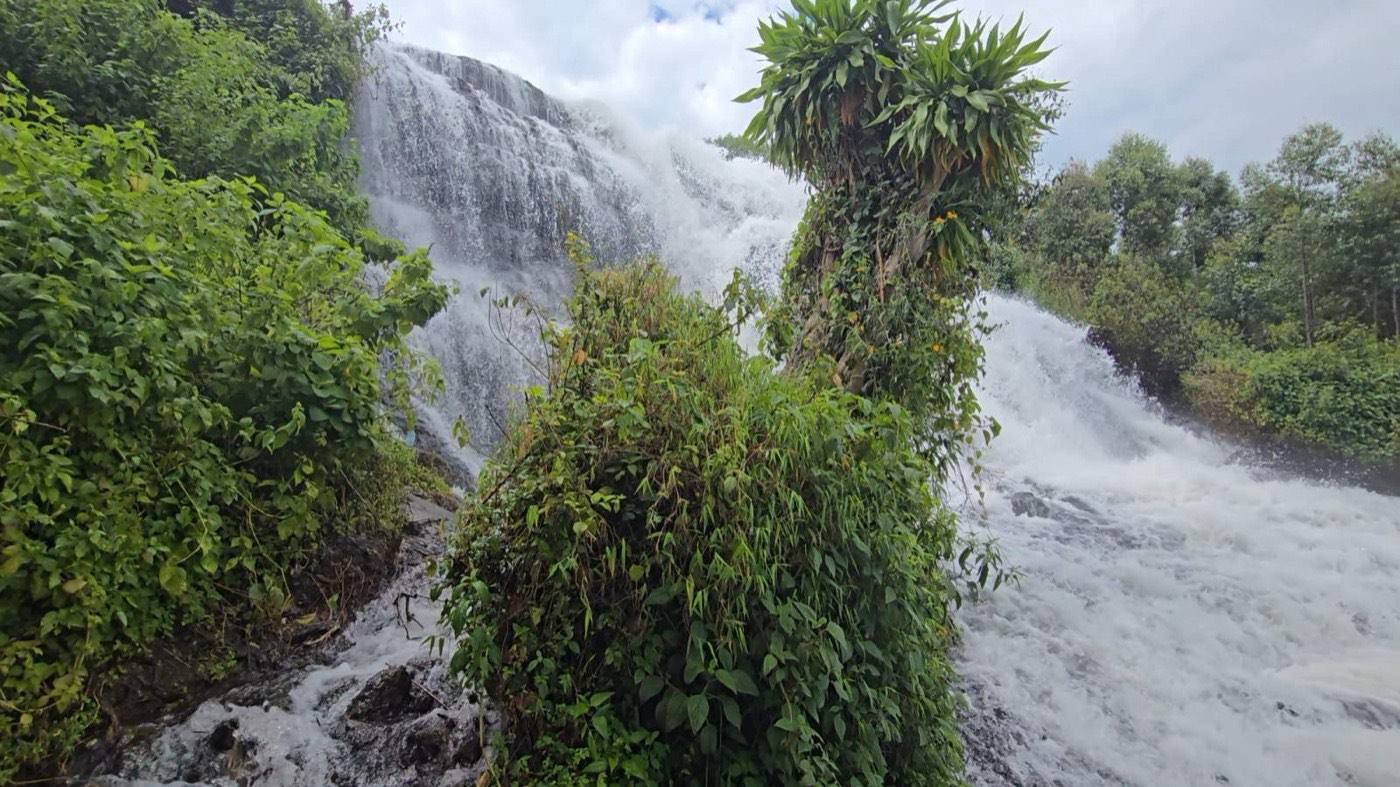
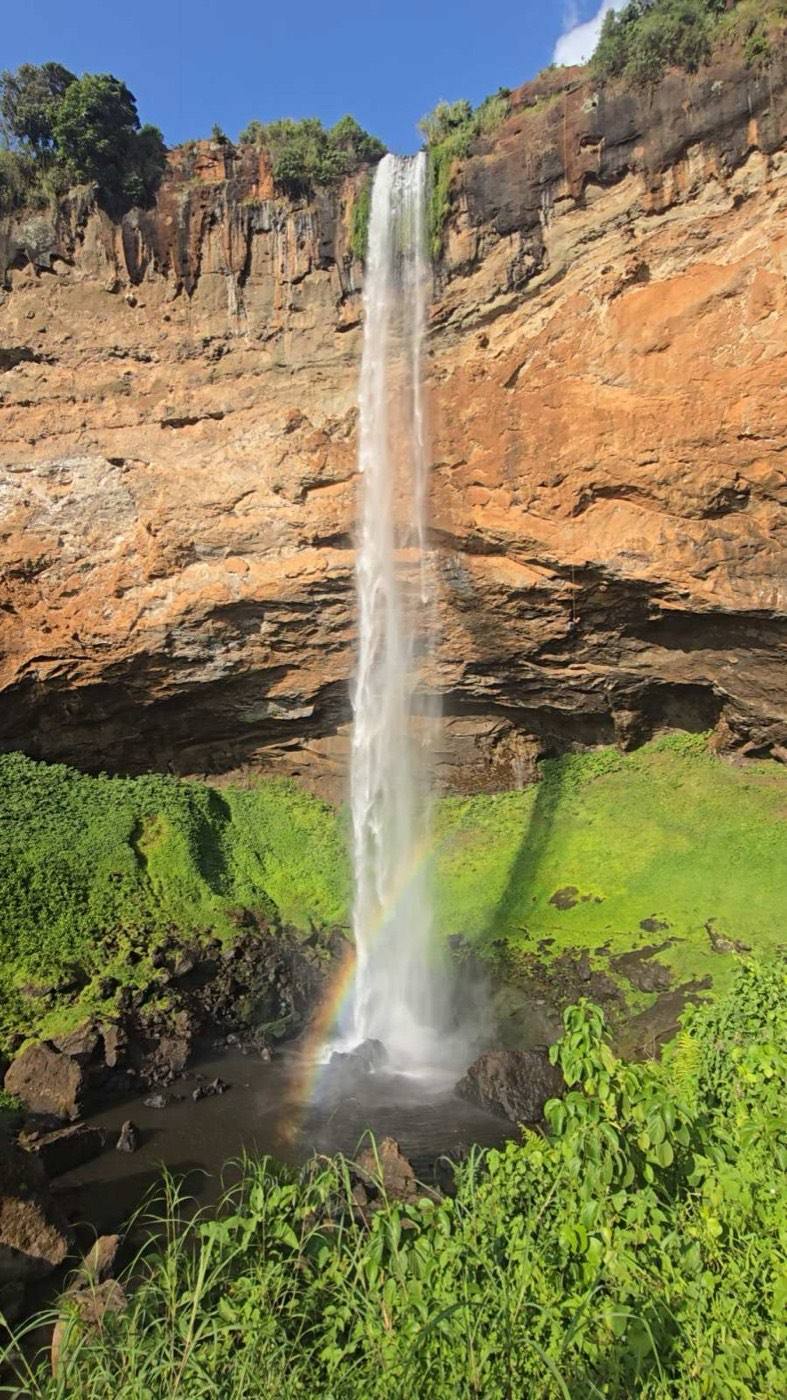
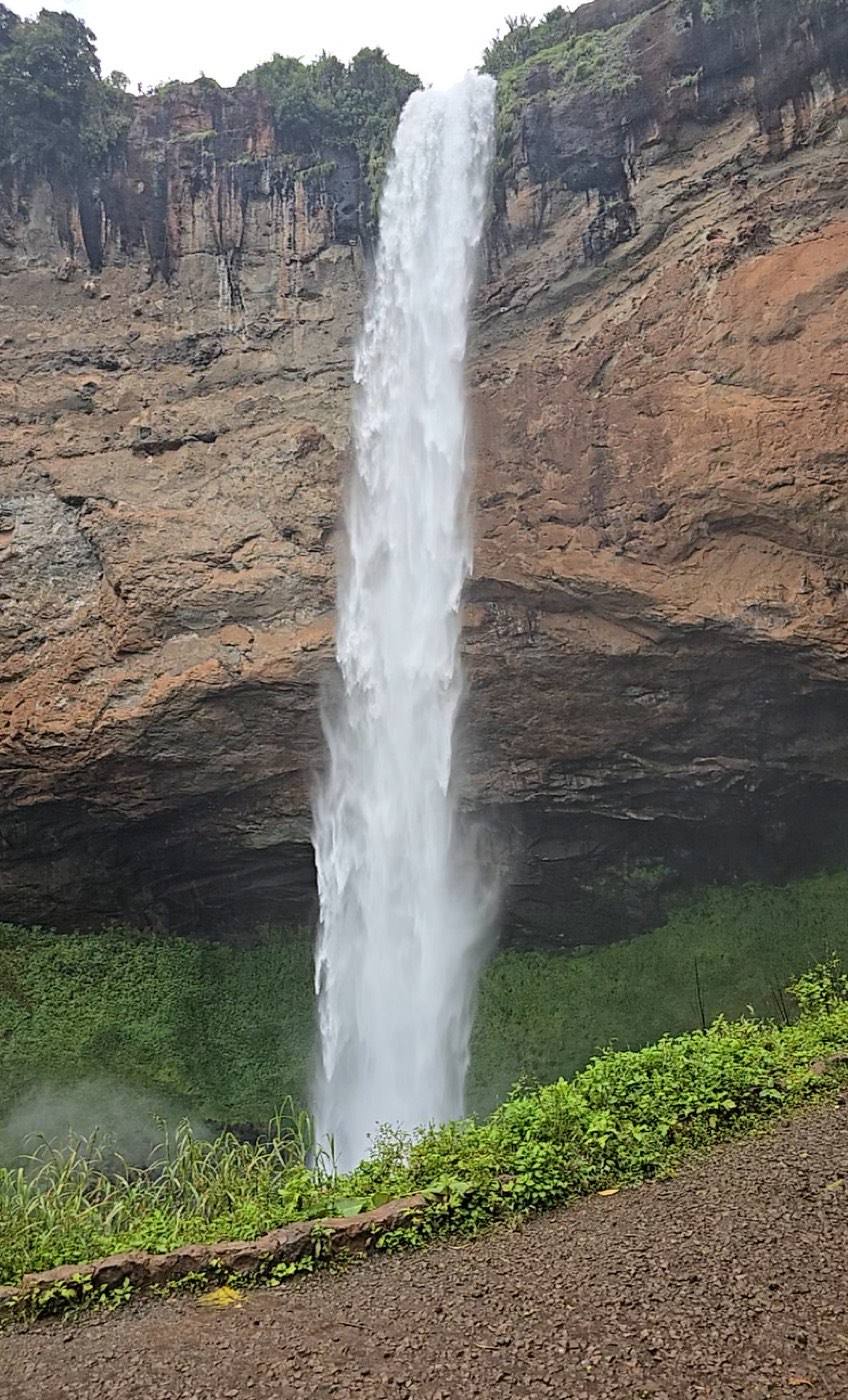
Sipi Falls consists of three main waterfalls located along the course of the Sipi River. The most famous of them plunges from a height of approximately 100 meters and is one of Uganda’s most photographed natural attractions. The water flows over the edge of a towering cliff before cascading freely to its base, creating a beautiful curtain of water.
The other two waterfalls are smaller but equally fascinating. One is known for a trail that allows visitors to walk near a rocky recess behind the curtain of falling water when conditions permit, while the other impresses with its beautiful natural surroundings and views of the nearby slopes. The rocky cliffs over which the water flows are closely connected to the volcanic history of Mount Elgon. Over thousands of years, flowing water has shaped the landscape, carving valleys, rocky terraces, and natural waterfalls.
The volume of water varies throughout the year. During the rainy seasons, the waterfalls become more powerful and dramatic, while in the drier months, the flow is generally gentler and the hiking trails are easier to navigate.
Hiking Trails Among the Waterfalls
One of the best ways to explore Sipi Falls is on a guided hike with a local guide. The trail connecting the three main waterfalls usually takes around three to five hours, depending on the chosen route, weather conditions, and time spent taking breaks. Along the way, visitors pass through lush green hillsides, coffee plantations, small villages, and picturesque valleys.
Some sections of the trails are steep and can become slippery, especially after rainfall. Comfortable hiking shoes with good grip are therefore essential. Visitors can choose between shorter walks to individual waterfalls and longer hikes that include additional scenic viewpoints. From the higher elevations, breathtaking views unfold across the Karamoja plains and the surrounding mountain slopes.
Mount Elgon – One of East Africa’s Ancient Volcanoes
Sipi Falls is located near Mount Elgon National Park, which protects part of the ecosystems of Mount Elgon. Mount Elgon is an ancient extinct volcano situated on the border between Uganda and Kenya. Its highest peak, Wagagai, rises to approximately 4,321 meters above sea level.
The mountain has a fascinating geological history and a variety of vegetation zones that change with increasing altitude. At lower elevations, the landscape is characterized by farmland and forests, while higher up, the vegetation gradually transitions into montane and Afro-alpine plant communities.
These higher elevations are home to distinctive mountain plants adapted to lower temperatures and unique climatic conditions. Mount Elgon also plays an important role as a water catchment area, with numerous rivers and streams originating on its slopes.
Sipi Coffee – From Plantation to Cup
The Sipi Falls region is also renowned for producing high-quality Arabica coffee. Fertile volcanic soils, relatively high elevations, and favorable climatic conditions create an ideal environment for coffee cultivation.
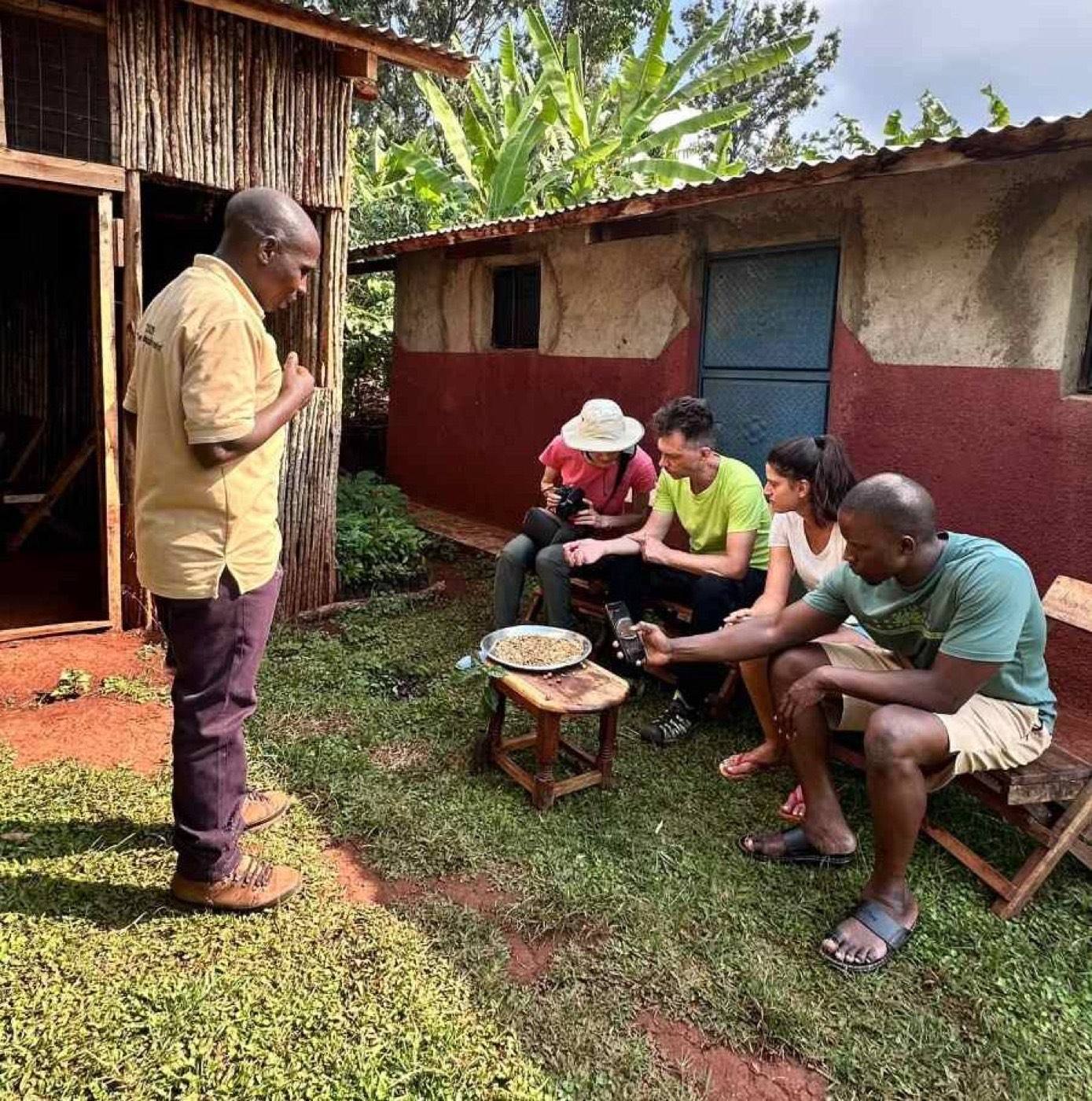
Many local families depend on coffee farming as an important source of income. During a visit to a coffee plantation, you can discover the entire process – from growing coffee plants and harvesting ripe coffee cherries to removing the beans, drying, roasting, and finally preparing a fresh cup of coffee.
What makes this experience particularly interesting is that some local farmers still use traditional processing methods. Visiting a coffee farm offers not only the opportunity to taste freshly roasted coffee but also a chance to learn about the daily lives of the people who call the slopes of Mount Elgon home.
Local Communities and Life Around the Waterfalls
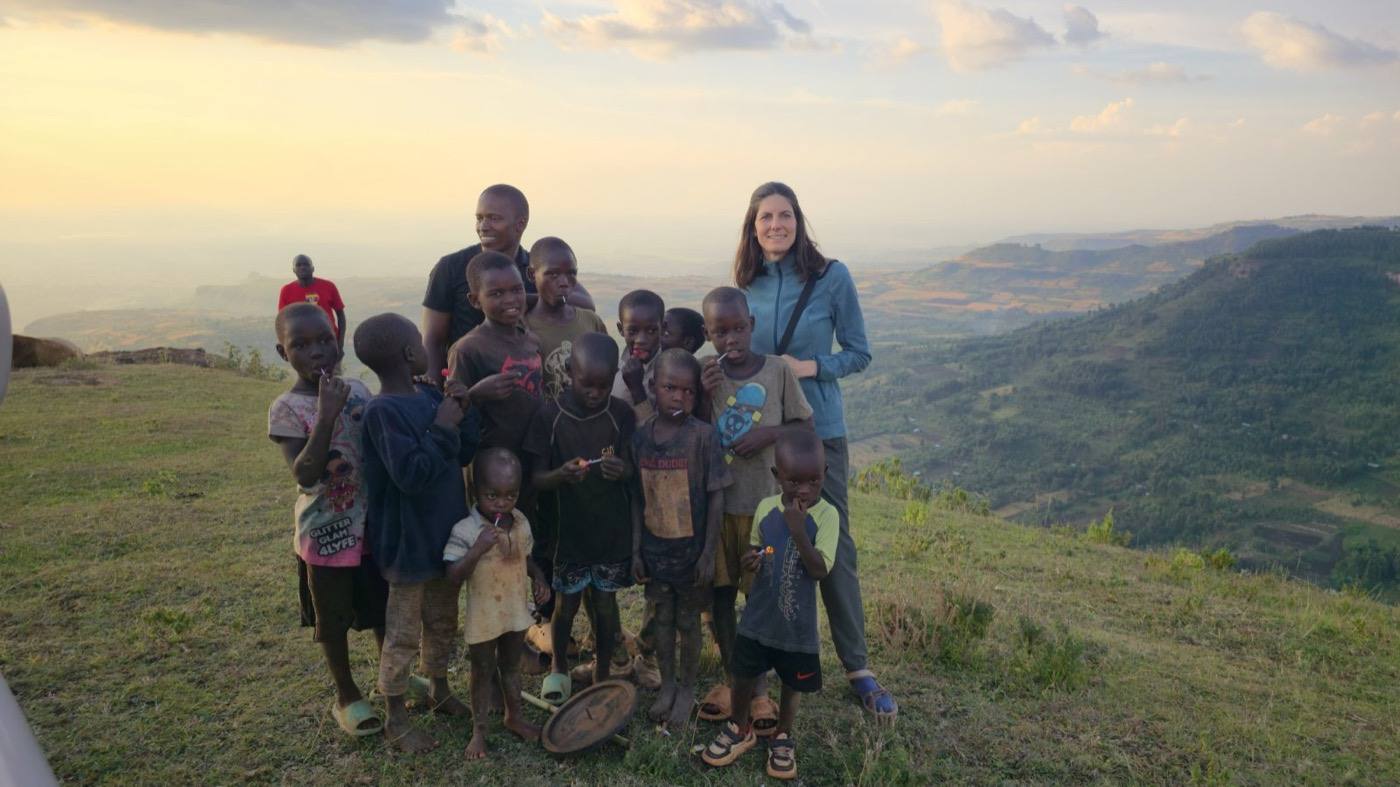
The Sipi region is primarily inhabited by communities belonging to the Sebei and Bagisu cultural groups. Agriculture plays an important role in their daily lives, with local farmers growing not only coffee but also bananas, maize, vegetables, and other crops. Walks through the area often lead past small family farms and village paths used by local residents in their everyday lives. This offers visitors an opportunity to discover traditional ways of life, local farming practices, and the unique cultural heritage of the region.
Sipi Falls also offers a variety of adventure activities, including abseiling down the rocky cliffs, organized by specialized local operators. However, even without adventurous activities, the region is a wonderful place to relax and unwind. The lush green hillsides, cool mountain air, soothing sound of cascading water, and beautiful sunsets create an atmosphere entirely different from that of the savanna.
Uganda – One Journey, Many Different Worlds
Queen Elizabeth, Murchison Falls, Lake Mburo, and Sipi Falls are four destinations that reveal different aspects of Uganda’s extraordinary natural beauty. In Queen Elizabeth, you can observe lions resting in trees and herds of elephants gathering along the waters of the Kazinga Channel. In Murchison Falls, you will experience the incredible power of the Nile and explore vast savannas inhabited by giraffes, elephants, and predators. Lake Mburo offers the opportunity to walk among zebras and antelopes, while Sipi Falls takes you into a world of lush green mountain slopes and magnificent waterfalls.
It is precisely this diversity that makes Uganda so special. Every destination offers a unique experience, and every encounter with nature brings new discoveries and unforgettable memories.
Stay tuned for Part II, where I will take you to four more incredible places – the wild savannas of Kidepo Valley, the endless open landscapes of Pian Upe, the tropical forests of Bwindi, and Ziwa Rhino Sanctuary, a refuge for white rhinos.
More fascinating stories, extraordinary wildlife, and breathtaking natural wonders are yet to come!
Go to Part II → →